Crown Fountains: Majestic Water Architecture for Public Spaces
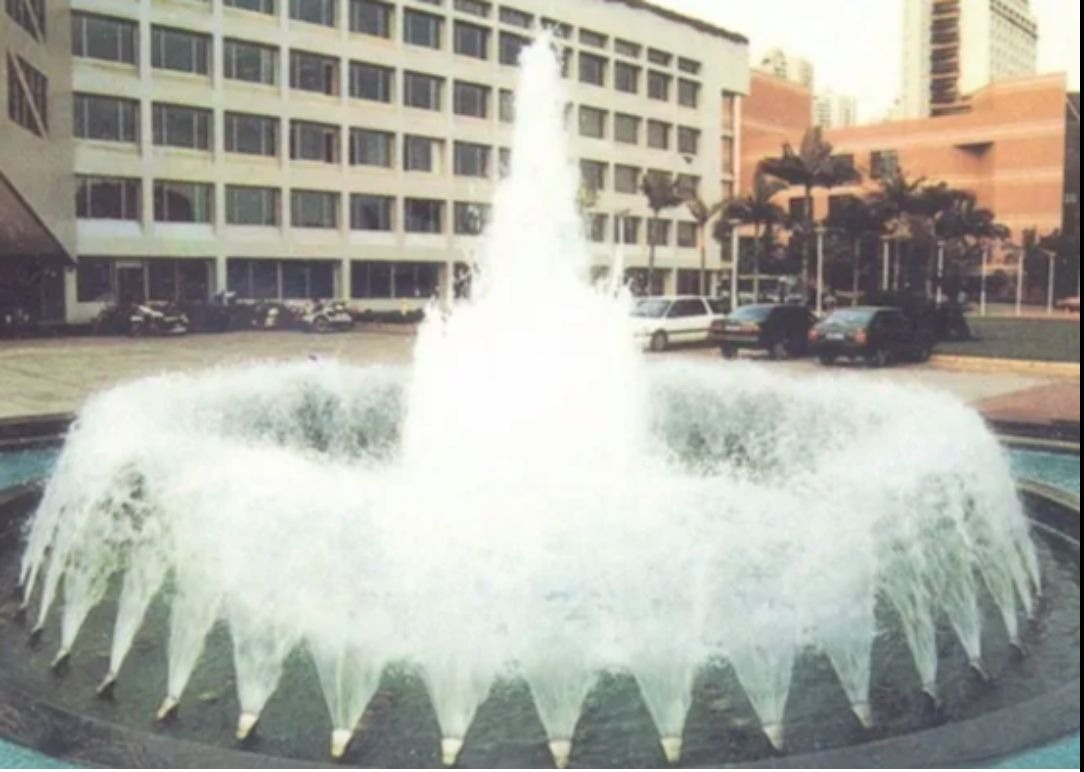
The magnificent fountain shown here represents one of the most visually striking and technically sophisticated patterns in public water feature design—the crown fountain. This dramatic installation, with its central geyser jet surrounded by perfectly symmetrical ring of angled streams, creates three-dimensional water sculpture that commands attention and establishes civic identity. Such installations exemplify fountain design's ultimate purpose: transforming functional water circulation into public art that defines places and creates community landmarks.
The Crown Pattern Explained
Crown fountains derive their name from the distinctive pattern resembling royal crowns—a tall central column surrounded by radiating streams angled outward and upward before arcing back toward center. The geometry creates hemispherical envelope of water with the central geyser forming the crown's peak while peripheral jets create the decorative points and curves associated with coronation regalia.
The installation shown demonstrates classic crown pattern execution: a powerful vertical geyser reaching perhaps 6-8 meters height, surrounded by a ring of angled jets creating the signature crown profile, and all mounted within substantial circular basin appropriate to the display's scale.
Engineering the Perfect Crown
Creating convincing crown patterns demands extraordinary precision in both nozzle manufacture and hydraulic engineering. Each element of the display requires careful consideration:
Central Geyser Nozzle: This dominant feature must deliver substantial flow at high velocity, creating the tall, narrow, heavily aerated column that forms the crown's peak. The white, opaque appearance results from aggressive air entrainment within the nozzle—thousands of tiny air bubbles making the water column highly visible.
Peripheral Ring Jets: The surrounding nozzles—likely 20-40 individual units arranged in perfect circle—must be precisely angled and positioned to create uniform pattern. Each jet projects water outward and upward at carefully calculated trajectory, the streams converging slightly at their apex before falling back toward basin.
Hydraulic Balance: Achieving uniform performance across all nozzles despite varying distances from pump source requires sophisticated manifold design ensuring equal pressure distribution. Any imbalance creates obvious pattern irregularities immediately apparent to viewers.
Flow Coordination: The central and peripheral jets must be proportionally balanced—too much central flow overwhelms the crown, too little and the pattern loses its defining peak. This calibration requires both initial engineering and field adjustment during commissioning.
Scale and Urban Context
The substantial size of this installation—the basin appears 4-5 meters diameter—positions it firmly in the public/institutional category rather than residential application. This scale suits the urban plaza setting visible, where modern office buildings provide backdrop and the fountain serves as focal point for the developed space.
The fountain's height and volume create presence visible from considerable distance, functioning as wayfinding landmark and establishing identity for the plaza or development it anchors. Passing motorists notice it, pedestrians navigate by it, and building occupants enjoy views of it—multi-functional civic asset.
Circular Basin Design
The round basin with its substantial diameter provides appropriate collection area for the extensive spray pattern. Crown fountains generate significant wind drift—the numerous angled jets mean water travels laterally considerable distance before returning to basin. Proper sizing ensures water capture despite environmental variables.
The basin's elevated profile with visible coping creates architectural presence even when the fountain isn't operating—important consideration for installations that may run seasonally or on limited schedules due to operational costs.
Material Durability for Public Use
Public fountains face challenges residential installations never encounter: continuous operation through varied weather, potential vandalism or misuse, heavy foot traffic around perimeters, and deferred maintenance during budget constraints. Quality materials and robust construction prove essential.
The installation shown likely features reinforced concrete basin with waterproof membrane, stainless steel or bronze nozzle components resisting corrosion, commercial-grade pumps and controls designed for continuous duty, and substantial plumbing infrastructure sized for longevity.
Water Volume and Operating Costs
Crown fountains consume substantial water through evaporation—the extensive surface area of numerous jets and fine spray means significant water loss to atmosphere. Large installations may require hundreds of liters daily makeup water during warm weather operation.
The pumping costs also prove considerable—achieving the dramatic heights and multiple jets demands substantial horsepower and corresponding electricity consumption. These operational expenses influence scheduling decisions, with many public fountains operating reduced hours or seasonally to manage budgets.
Symbolic and Civic Function
Beyond aesthetic appeal, crown fountains carry symbolic weight. The royal crown reference conveys civic pride, permanence, and importance—municipalities and institutions selecting these patterns signal investment in quality public spaces and community identity.
These fountains become beloved landmarks generating community attachment transcending their functional role. Residents identify with them, visitors photograph them, and cities market them—genuine civic assets justifying their expense through intangible returns.
Evening Illumination Potential
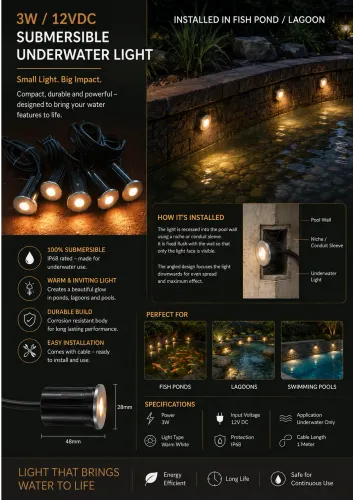
While this daytime photograph shows the pattern clearly, crown fountains transform dramatically under evening lighting. Submersible fixtures positioned to illuminate the jets from below create spectacular nighttime displays—glowing columns and arcs of water painting the darkness. Color-changing LED systems enable dynamic shows cycling through the spectrum.
The three-dimensional pattern particularly benefits from lighting—the central peak casts interesting shadows while the peripheral jets create luminous cage effect enclosing the illuminated center.
Maintenance Realities
Public fountains demand professional maintenance protocols. The numerous nozzles require periodic inspection and cleaning preventing mineral buildup that disrupts spray patterns. Pump systems need regular service. Basins require cleaning. Water treatment maintains clarity and prevents biological growth.
Municipalities or property managers budgeting for crown fountains must allocate ongoing maintenance funding—these aren't install-and-forget features but active systems requiring care.
Design Legacy
Crown fountains represent fountain design tradition stretching back centuries, though modern engineering and materials allow scales and reliability historical examples couldn't achieve. The pattern remains popular because it solves fundamental challenges—creating dramatic impact, establishing clear visual hierarchy, and producing recognizable iconic form.
Crown fountains represent public water feature design at its most ambitious—where engineering precision creates civic sculpture that defines places and establishes community identity through the universal medium of water in motion.
Ekjan Associates | Water Is Life