Floating Stepping Stones and Modern Koi Ponds: The Perfect Harmony of Form and Function
In the world of contemporary landscape design, few features capture the imagination quite like a well-designed koi pond with floating stepping stones. These striking water features have become the crown jewel of modern outdoor spaces, transforming ordinary backyards into serene sanctuaries that blur the line between architecture and nature.
The Rise of Floating Stepping Stones: Why They're Taking Modern Design by Storm
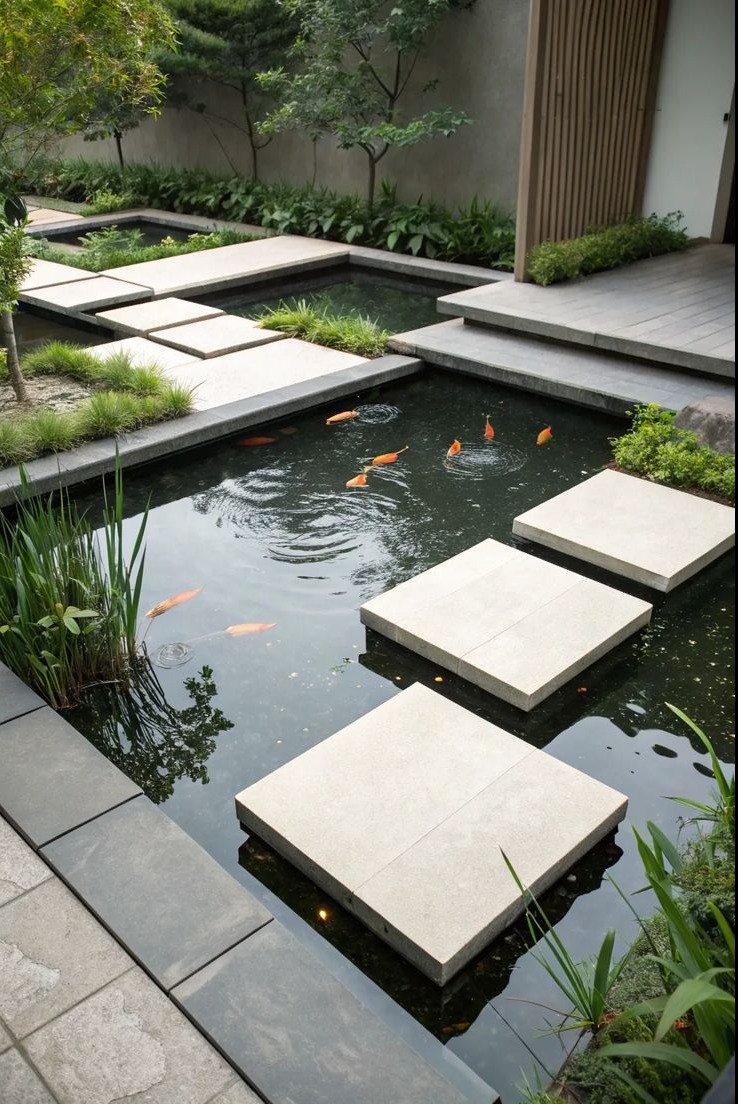
Floating stepping stones have emerged as one of the most coveted design elements in contemporary landscaping, and for good reason. These seemingly weightless platforms create an almost magical interaction with water, offering both visual drama and functional pathways across pond surfaces.
The appeal lies in their minimalist aesthetic that perfectly complements modern architecture. Unlike traditional bridges or fixed walkways, floating stones create clean, geometric lines that echo the contemporary design principles of simplicity and sophistication. They transform the act of crossing water into an experiential journey, encouraging slow, mindful movement that enhances our connection with the aquatic environment.
From a practical standpoint, these elevated platforms provide access for pond maintenance while creating multiple vantage points to observe koi behavior. The visual weight distribution across the water surface also helps break up large expanses of water, creating a more intimate and human-scaled experience even in substantial pond installations.
The Critical Mistake: Why Glass Covers Are Pond Killers
One of the most damaging trends we encounter in koi pond design is the impulse to cover ponds with glass panels or transparent barriers. While the intention—protecting fish from predators or preventing debris—may seem logical, this approach creates a cascade of problems that can prove fatal to pond ecosystems.
Glass barriers severely restrict essential gas exchange between water and atmosphere. Koi require well-oxygenated water to thrive, and natural surface agitation plays a crucial role in maintaining healthy oxygen levels while allowing harmful gases to escape. When you seal a pond with glass, you're essentially creating a closed system that can quickly become oxygen-depleted and toxic.
Temperature regulation becomes another critical issue. Glass covers create greenhouse effects that can cause dangerous temperature swings, stressing fish and promoting harmful algae growth. Natural evaporation, which helps cool pond water during hot weather, is eliminated entirely.
Perhaps most importantly, covered ponds disrupt the natural interaction between the water feature and its environment. The gentle sound of water movement, the play of light on the surface, and the ability for beneficial insects and birds to interact with the ecosystem all disappear behind glass barriers. What was meant to be a living, breathing water feature becomes a sterile aquarium.
Koi Ponds: The Heart of Modern Home Design
Today's homeowners are increasingly viewing koi ponds not as afterthoughts but as central design elements that define outdoor living spaces. Modern koi pond design emphasizes clean lines, geometric forms, and seamless integration with architectural elements. The rectangular pond design shown exemplifies this approach, with its crisp edges and contemporary materials creating a water feature that feels like a natural extension of the home's interior spaces.
The key to successful modern koi pond integration lies in material harmony. Concrete coping, natural stone, and steel elements should echo materials used in the home's construction, creating visual continuity between indoor and outdoor spaces. The pond becomes a transitional element that softens the boundary between built and natural environments.
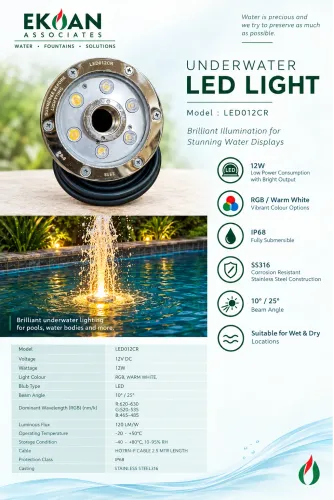
Lighting plays an equally important role in modern pond design. Subtle underwater illumination and strategically placed accent lights can transform a daytime water feature into a dramatic evening focal point, extending the pond's visual impact throughout the day.
Creating Living Ecosystems: The Power of Planted Water Gardens
The most successful koi ponds function as complete ecosystems where every element serves both aesthetic and ecological purposes. Aquatic plants are the unsung heroes of healthy pond environments, providing natural filtration, oxygen production, and habitat complexity that benefits both fish and the broader ecosystem.
Marginal plants like cattails and water iris create natural edges that soften hardscape transitions while providing spawning areas for fish and habitat for beneficial insects. Submerged oxygenating plants work around the clock to maintain water quality, often eliminating the need for mechanical aeration systems in well-balanced ponds.
The inclusion of plants also creates seasonal interest that keeps pond landscapes dynamic throughout the year. Emerging spring growth, summer blooms, and autumn color changes ensure that planted ponds offer year-round visual rewards that purely architectural water features cannot match.
Floating plants like water lilies serve multiple functions, providing shade that helps control algae growth while creating protected areas where koi can retreat during hot weather or when predators threaten. Their broad leaves also create natural platforms that complement designed stepping stones, adding organic curves to balance geometric hardscape elements.
Design Integration: Where Architecture Meets Nature
The most compelling modern pond designs achieve perfect balance between architectural precision and natural processes. This means embracing both the clean lines that complement contemporary homes and the organic processes that create healthy aquatic ecosystems.
Successful integration starts with understanding that koi ponds are living systems that require room to breathe and evolve. While we can control their basic form and structure, the most beautiful ponds are those where natural processes are allowed to create subtle variations in water clarity, plant growth, and fish behavior.
This philosophy extends to maintenance approaches as well. Rather than fighting natural processes with excessive filtration and chemical treatments, well-designed ponds work with ecological principles to create self-sustaining systems that require minimal intervention while providing maximum enjoyment.
The floating stepping stones become part of this living system, providing perches for dragonflies, basking spots for frogs, and observation platforms for pond enthusiasts. They represent the perfect synthesis of human design intention and natural adaptation that defines the best contemporary landscape architecture.
Modern koi ponds with floating stepping stones represent more than just water features—they're statements about how we want to live with nature in our increasingly urban world. When designed with ecological principles in mind, these installations create year-round sources of beauty, tranquility, and connection with the natural world that enhance both property values and quality of life.