Urn Fountains: Timeless Elegance Meets Contemporary Water Feature Design
In the diverse world of water features, urn fountains stand apart as a unique category that combines classical aesthetic appeal with modern functionality. These captivating installations, featuring water flowing from decorative spouts into beautifully crafted ceramic or terracotta urns, create a distinctive visual and auditory experience that differs significantly from traditional cascade waterfalls. At Ekjan Associates, we've observed the growing appreciation for urn fountains among homeowners and designers who seek to create intimate, characterful water features.
Understanding Urn Fountains
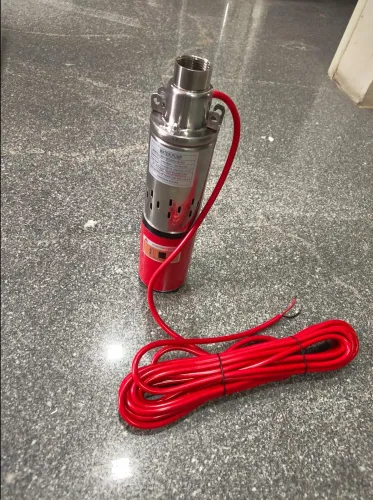
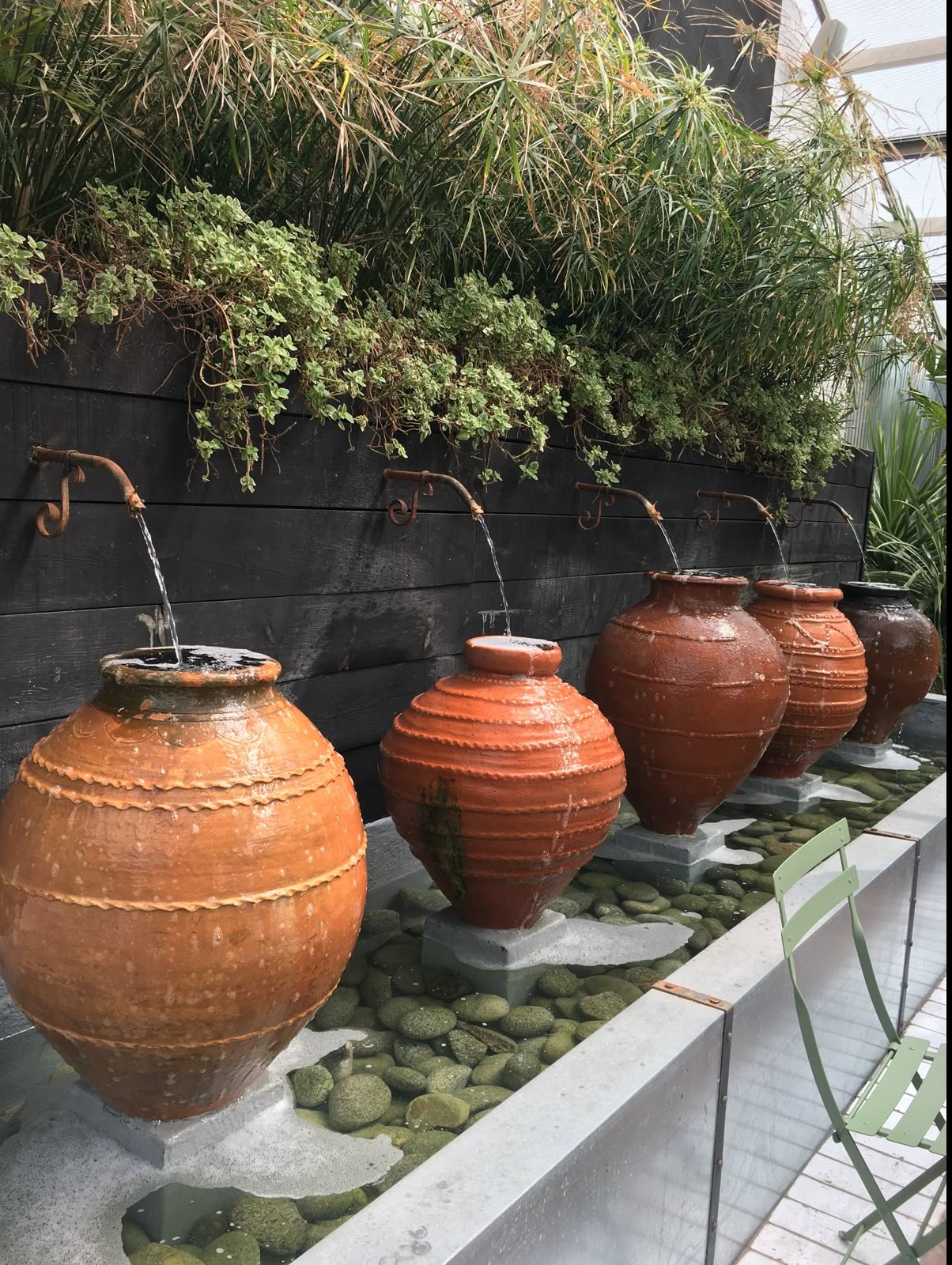
Urn fountains utilize decorative pottery vessels—traditionally terracotta pots, ceramic urns, or clay vessels—as the primary water collection and display elements. Water flows from wall-mounted spouts, often crafted in ornamental brass, copper, or bronze designs, directly into these handcrafted urns positioned below. The water then recirculates through a concealed pump system, creating a continuous, self-sustaining display that combines the visual appeal of artisan pottery with the soothing qualities of flowing water.
How Urn Fountains Differ from Traditional Cascade Waterfalls
Scale and Intimacy
Traditional cascade waterfalls operate on principles of grandeur and volume, creating impact through height, water volume, and expansive formations. Urn fountains embrace intimacy and subtlety. The water flow is modest, creating gentle, melodic sounds as it streams into the resonant chambers of ceramic vessels. This creates a meditative atmosphere, sound profiles suitable for close-proximity seating areas, and visual interest at human scale.
Artistic Expression and Personalization
Cascade waterfalls follow relatively standardized design principles focused on natural stone arrangements. Urn fountains offer unprecedented opportunities for artistic expression—each urn can be selected for its unique character, patina, and craftsmanship. Multiple urns can be arranged to create rhythm and visual interest, with spout designs ranging from rustic to ornate.
Maintenance Accessibility
Traditional waterfalls can present maintenance challenges with algae growth on stone surfaces and debris accumulation. Urn fountains offer advantages: individual urns can be easily accessed, cleaned, or replaced; smooth ceramic surfaces resist algae buildup; and simple spout designs are straightforward to maintain.
The Distinctive Character of Urn Fountains
Texture and Materiality
The handcrafted nature of terracotta and ceramic urns introduces organic texture through surface variations, natural aging, decorative treatments, and color variations from firing processes. This textural richness creates visual interest even when the fountain is not operating.
Cultural Resonance
Urn fountains carry cultural and historical resonance connecting contemporary installations to ancient water traditions—from Mediterranean amphorae to Asian water jars. This creates connections to historical practices while celebrating traditional pottery techniques in contemporary contexts.
Modular Flexibility
Unlike permanent cascade waterfalls requiring substantial construction, urn fountains offer remarkable flexibility. Urns can be rearranged to refresh compositions, individual vessels can be rotated seasonally, and the entire installation can be relocated if landscaping plans change.
Sound Design
The acoustic character of urn fountains creates layered, musical water sounds. Water striking curved interior surfaces produces resonant tones, with different urn sizes creating varied frequencies. This acoustic refinement makes them ideal for meditation spaces, reading nooks, and dining patios.
Integration with Planting
Urn fountains naturally complement planted landscapes. The overflow from urns can water surrounding plants, support moisture-loving ferns, and integrate with vertical gardens, creating lush, layered compositions combining water, pottery, and greenery.
Design Considerations
Backdrop Treatment: Dark-stained wood, textured stone, smooth plaster, or living walls create effective backdrops that highlight the urns.
Urn Selection: Creating visual rhythm involves varying sizes while maintaining stylistic consistency, arranging vessels at different heights, and selecting complementary pieces.
Spout Design: Decorative spouts should complement pottery style, position at appropriate heights, and create graceful water arcs.
Basin Materials: Natural stone, pebbles, or concrete edges define the water feature boundary while providing adequate drainage and visual interest.
Why Urn Fountains Stand Out
In an era of mass-produced landscape elements, urn fountains stand out through their embrace of artisan craftsmanship and individual character. Each installation becomes a unique composition—a carefully curated collection rather than a standardized product. The combination of flowing water, handcrafted pottery, decorative metalwork, and integrated planting creates multi-sensory experiences that engage sight, sound, and touch.
These fountains don't simply occupy space—they activate it, transforming ordinary walls and corners into destinations worth lingering near. They differ from traditional cascade waterfalls not through superior technology or greater spectacle, but through their embrace of human-scale beauty and personal curation.
Conclusion
Urn fountains represent a beautiful intersection of function and art, where water circulation becomes an opportunity for creative expression. For those seeking water features that feel collected rather than constructed, that whisper rather than roar, and that celebrate craftsmanship over engineering, urn fountains offer an ideal solution.
Contact Ekjan Associates in Bangalore to explore how decorative spouts, quality pumps, and expert guidance can help you create your perfect urn fountain installation.