Moroccan-Inspired Fountains: Timeless North African Elegance for Modern Landscapes
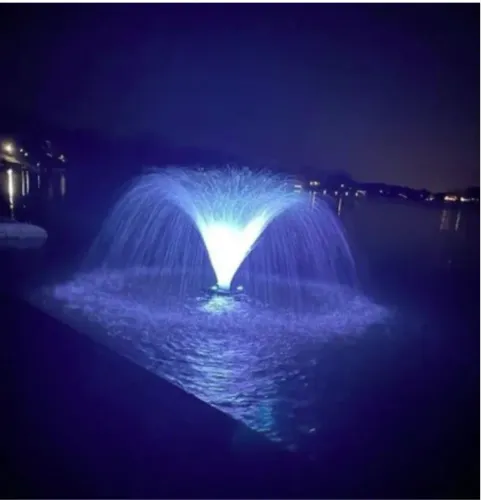
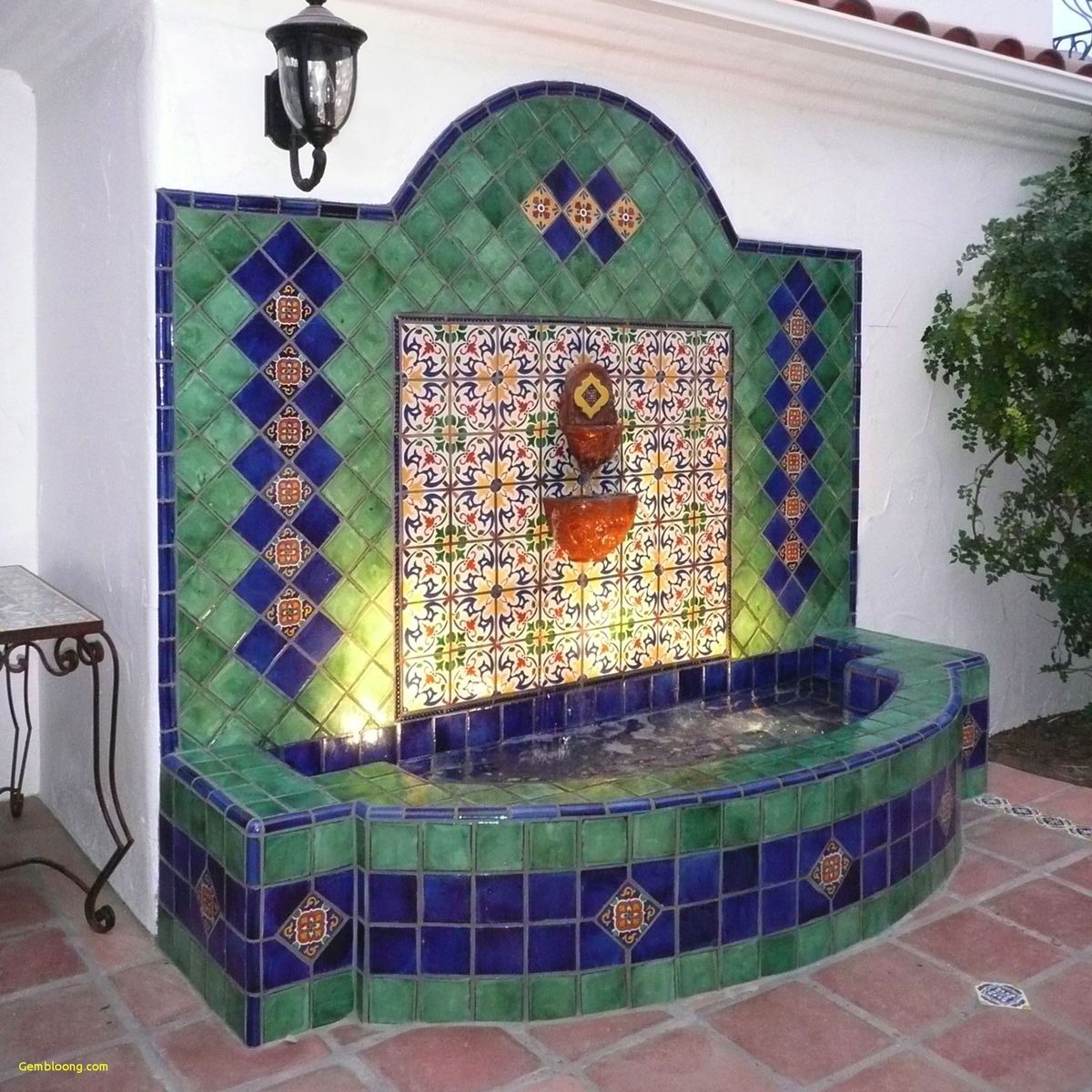
The fountain installation shown here, with its distinctive vertical jets and elevated placement, evokes the timeless aesthetic of Moroccan water features—a design tradition stretching back centuries that continues to influence contemporary landscape architecture worldwide. Morocco's unique fountain style, born from Islamic architectural principles and desert climate necessities, offers profound lessons for modern water feature design.
Moroccan Fountain Heritage
Moroccan fountain design developed within specific cultural and environmental contexts that shaped its distinctive characteristics. In a land where water scarcity made every drop precious, fountains served practical cooling functions while representing abundance, hospitality, and divine blessing. Islamic geometric principles and the cultural significance of water created design language emphasizing simplicity, elegance, and restraint.
Traditional Moroccan fountains typically feature geometric basins—squares, rectangles, or polygons—reflecting Islamic artistic traditions avoiding representational imagery. Vertical water jets symbolize life force rising from earth. Tiled surfaces showcase intricate zellige mosaic work in vibrant blues and greens. Central placement in courtyards creates focal points for contemplation and gathering.
Contemporary Interpretation
While this corporate landscape fountain may not incorporate traditional Moroccan tilework, its design principles align with North African sensibilities: clean geometric basin form emphasizes order and balance, multiple vertical jets create rhythmic visual pattern, the elevated placement commands attention and respect, and restraint in ornamentation allows water itself to provide beauty.
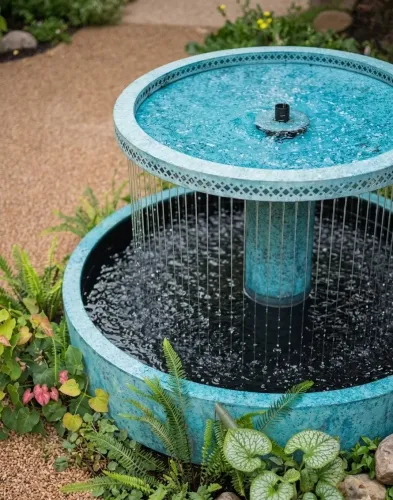
The deep blue basin color particularly evokes Moroccan aesthetics—reminiscent of the vivid blue tiles adorning fountains throughout Marrakech, Fez, and Rabat. This color choice isn't merely decorative; the psychological associations with water, sky, and tranquility enhance the fountain's sensory impact.
Vertical Jets as Design Signature
The emphasis on vertical water projection represents distinctly Moroccan approach. Unlike Western fountain traditions often favoring elaborate spray patterns or cascading water, Moroccan fountains celebrate the simple majesty of water defying gravity—rising skyward in clean, elegant columns before returning to source.
This vertical emphasis carries symbolic weight: water's ascension represents spiritual aspiration, the returning descent symbolizes blessing flowing back to earth, and the continuous cycle mirrors life's eternal rhythms—meanings resonating across cultures despite their Moroccan origins.
Adaptation to Commercial Contexts
The fountain shown demonstrates how Moroccan design principles translate effectively to contemporary commercial landscapes. The geometric clarity works beautifully with modern architecture. The restrained aesthetic requires minimal maintenance while maintaining sophisticated appearance. The compact footprint delivers visual impact within limited space. The timeless design avoids dated appearance ensuring long-term relevance.
These qualities make Moroccan-inspired fountains particularly suitable for corporate campuses, hospitality properties, civic plazas, and residential communities seeking distinctive water features avoiding regional clichés.
Cultural Resonance
Moroccan fountain design's global appeal stems from its universal themes: water as precious resource deserving celebration, geometry as organizing principle creating order from chaos, simplicity as path to elegance, and restraint as sophistication's foundation.
These principles transcend cultural boundaries, explaining why Moroccan aesthetic influences fountain design from California to Singapore despite geographic and cultural distances from North Africa.
Modern Moroccan Applications
Contemporary designers embracing Moroccan fountain principles might incorporate traditional zellige tile work in geometric patterns, carved stone elements featuring Islamic calligraphy or geometric motifs, courtyard configurations creating intimate gathering spaces, and integration with planted gardens echoing Moroccan riad traditions.
Even without explicit Moroccan styling, the underlying principles—geometric clarity, vertical emphasis, and restrained elegance—create fountains with timeless appeal transcending specific cultural reference.
Moroccan fountain design offers timeless wisdom: that simplicity, geometry, and respect for water create beauty transcending culture and era.
Ekjan Associates | Water Is Life