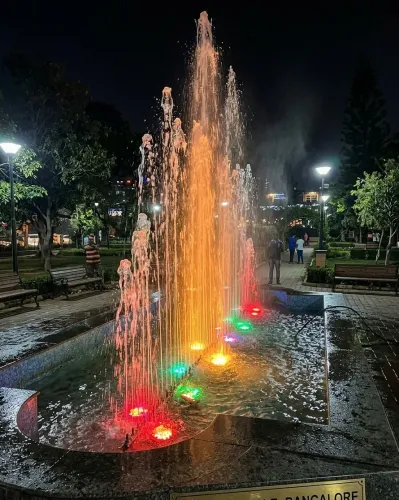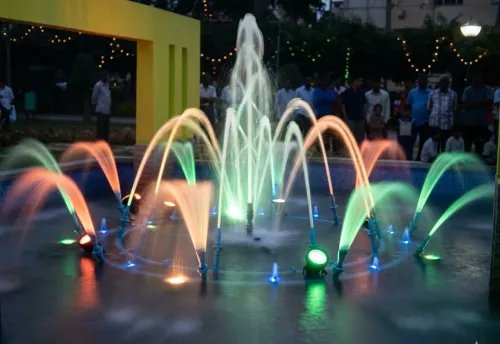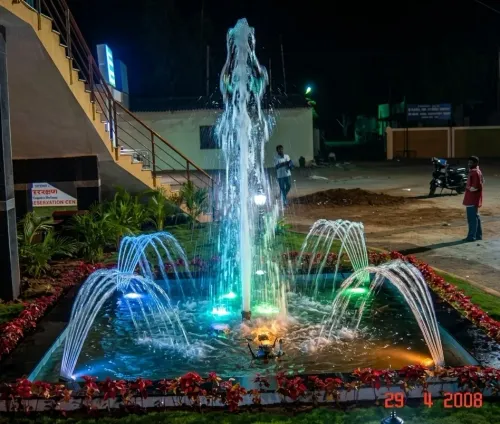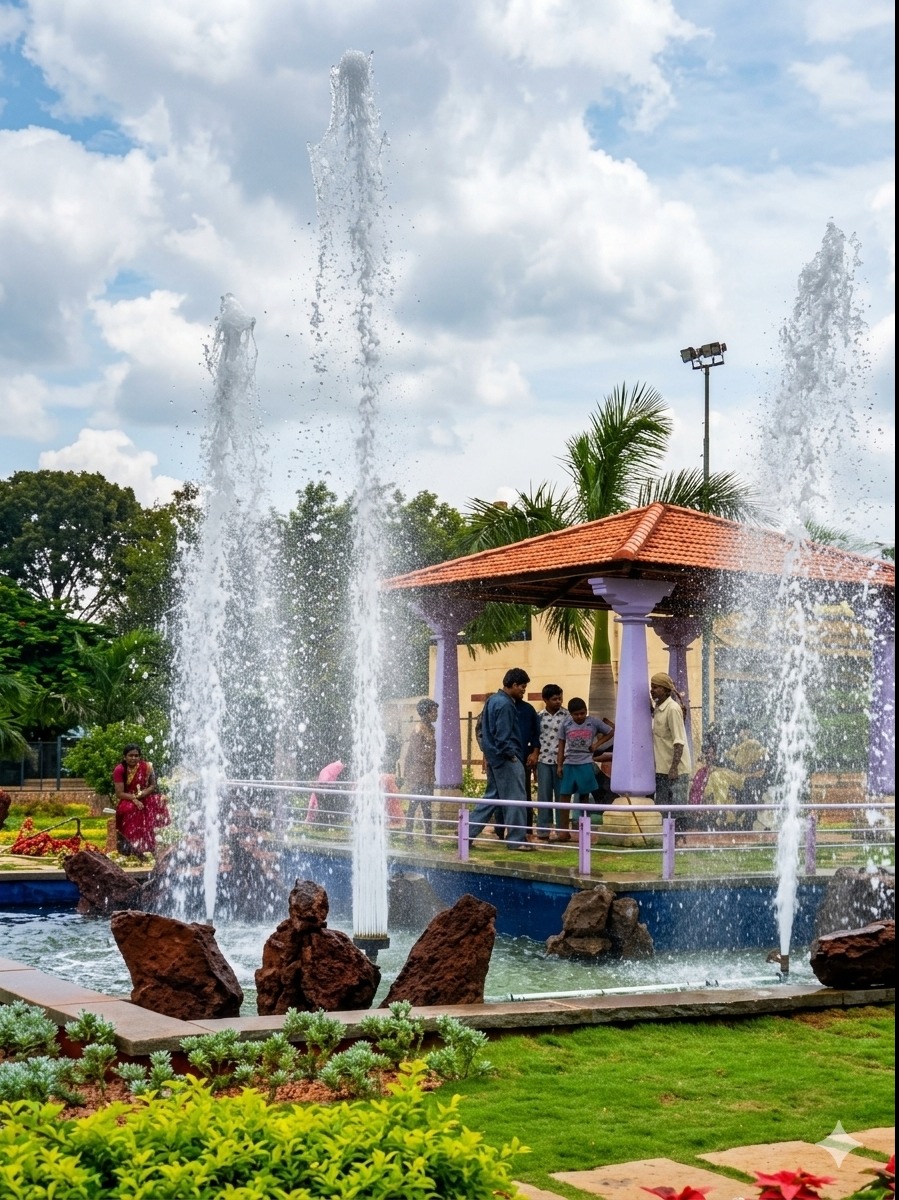
Fountains are the heartbeat of modern landscape design, transforming ordinary parks and corporate plazas into vibrant community hubs. From towering architectural geysers to serene garden streams, these water features do more than just look pretty—they create a multi-sensory experience. The rhythmic sound of cascading water naturally masks city noise, creating a peaceful oasis that invites people to gather, relax, and connect.
However, the magic of a fountain relies entirely on one critical factor: water clarity.
When water is pristine and crystal clear, it catches the sunlight beautifully, creating dazzling, high-definition splashes that elevate the entire landscape. Clear water reflects a sense of premium care, safety, and luxury. On the flip side, murky, green, or cloudy water instantly destroys the aesthetic, making even the most expensive installation look neglected and uninviting.
Beyond looks, water clarity is vital for health and safety. Fountains are public installations where wind blows mist into the air, and children or pets often get close to the splash zone. Poor water clarity usually points to algae buildup, bacteria, or organic debris, which can pose health risks.
Additionally, debris-filled water wreaks havoc on the fountain’s mechanics. Cloudiness is often caused by suspended particles that clog high-pressure nozzles and wear down underwater pumps. Maintaining pristine water clarity ensures the system runs efficiently, prevents costly repairs, and keeps the fountain operating as a stunning, hygienic centerpiece for years to come.