Creating Tranquility: The Magic of Water Wall Features in Your Garden
There's something undeniably mesmerizing about the gentle cascade of water flowing down a textured stone wall. In today's fast-paced world, our outdoor spaces have become sanctuaries where we seek peace, relaxation, and connection with nature. One of the most effective ways to transform your garden into a serene retreat is by incorporating a water wall feature – a stunning combination of natural elements that brings both visual beauty and soothing sounds to your landscape.
The Allure of Water Walls
Water walls, also known as water features or fountain walls, have gained tremendous popularity in modern landscape design. Unlike traditional fountains that spray water upward, water walls create a gentle, sheet-like flow that cascades down a vertical surface. This creates a natural, rain-like effect that's both visually striking and acoustically pleasing.
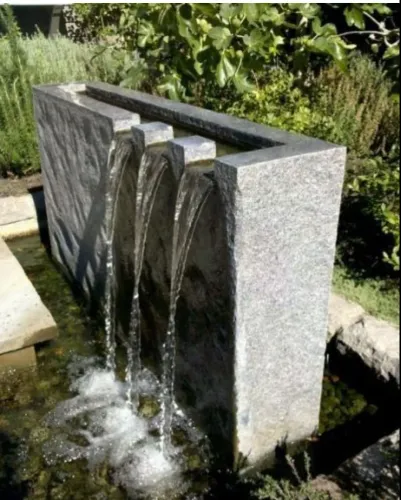
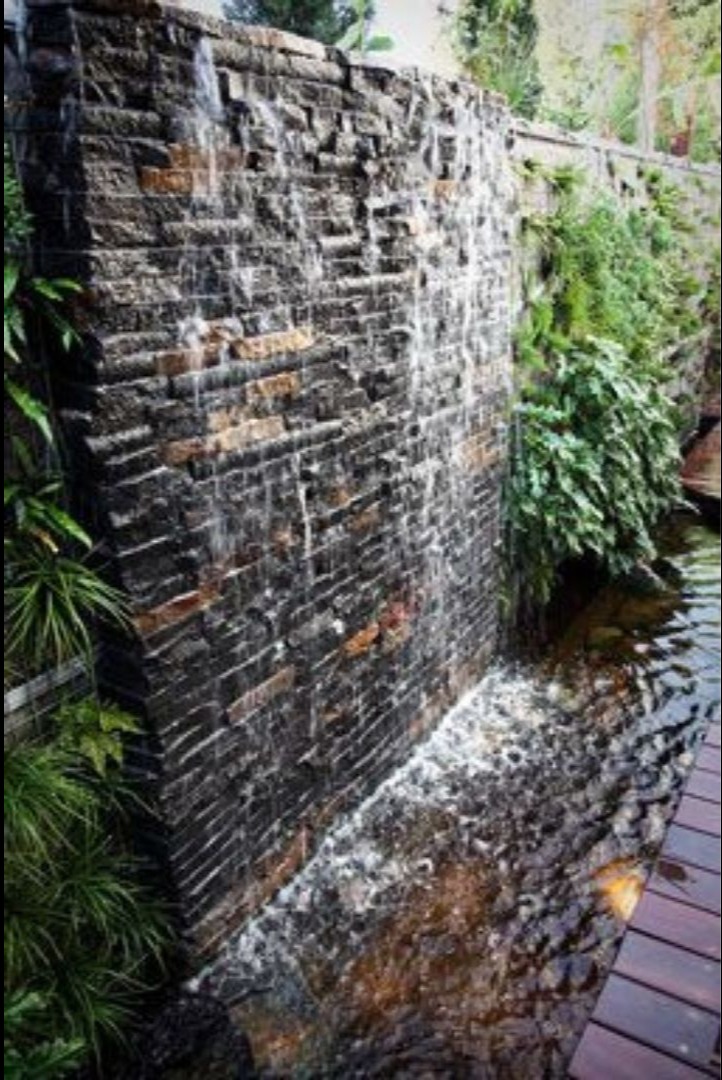
The feature shown in this image exemplifies the perfect integration of natural materials and water elements. The dark stone wall, with its rich texture and varied tones, provides an ideal backdrop for the flowing water. The way the water catches and reflects light creates an ever-changing display that captivates viewers and adds dynamic movement to what might otherwise be a static garden wall.
Design Elements That Make It Work
Stone Selection and Texture
The success of any water wall lies in the choice of materials. This particular feature uses what appears to be natural stone with a rough, textured surface that's perfect for water flow. The irregular surface creates multiple water paths, preventing the water from flowing in a single, uniform sheet. Instead, it creates an organic, natural pattern that mimics how water flows over rocks in nature.
The dark coloration of the stone – likely slate or similar material – provides excellent contrast with the clear water and creates a sophisticated, contemporary look. The varied tones and textures in the stone add visual interest even when the water isn't flowing.
Water Flow Design
The water appears to originate from the top of the wall and flows down in a controlled manner. This type of system typically uses a hidden reservoir and pump system that circulates water continuously. The even distribution across the wall's width creates a curtain-like effect that's both elegant and soothing.
Surrounding Landscape Integration
Notice how beautifully this water wall integrates with the surrounding landscape. Lush green plants frame the feature, creating a natural border that softens the hard edges of the stone. The tropical plants visible in the image – including what appears to be ferns and palms – thrive in the increased humidity created by the water feature, creating a microclimate that benefits the entire garden area.
Benefits Beyond Beauty
Acoustic Advantages
One of the most immediate benefits of a water wall is the sound it produces. The gentle cascade creates a natural white noise that masks unwanted sounds from nearby streets, neighbors, or urban environments. This acoustic barrier helps create a more private, peaceful outdoor space where you can truly relax and unwind.
Microclimate Creation
Water features naturally cool the surrounding air through evaporation, making the immediate area more comfortable during hot weather. This cooling effect, combined with the increased humidity, creates ideal conditions for many plants, allowing you to grow species that might otherwise struggle in your climate.
Wildlife Attraction
Moving water naturally attracts birds, butterflies, and other wildlife to your garden. The continuous flow provides a reliable water source for local fauna, while the sound of moving water can be heard from considerable distances, drawing wildlife to your outdoor space.
Maintenance Considerations
While water walls are stunning features, they do require some maintenance to keep them looking their best. Regular cleaning of the stone surface prevents algae buildup and maintains the clarity of the water flow. The pump system requires periodic attention to ensure consistent water circulation, and the reservoir needs occasional refilling to compensate for evaporation.
During colder months in areas with freezing temperatures, the system typically needs to be winterized to prevent damage from ice formation. However, in milder climates, these features can provide year-round enjoyment.
Installation and Planning
Creating a water wall like this requires careful planning and professional installation. Key considerations include:
- Location: Choose a spot where the feature can be enjoyed from multiple vantage points
- Electrical supply: Ensure proper electrical connections for the pump system
- Drainage: Adequate drainage around the feature prevents water accumulation
- Structural support: The wall must be properly constructed to handle the weight of water and stone
Conclusion
A water wall feature represents the perfect marriage of natural elements and thoughtful design. It transforms an ordinary garden wall into a living, breathing focal point that engages multiple senses and creates a lasting impression on all who experience it. Whether you're looking to create a meditation space, enhance your outdoor entertainment area, or simply add a touch of luxury to your landscape, a water wall offers both immediate visual impact and long-term enjoyment.
The gentle sound of cascading water, the interplay of light and shadow, and the cooling effect it provides make this type of feature an investment in both your property's value and your quality of life. In our increasingly connected world, having a space that naturally encourages mindfulness and relaxation has become more valuable than ever.
Transform your outdoor space into a personal oasis with the timeless appeal of flowing water and natural stone – because sometimes the most profound luxury is simply the sound of water finding its way.