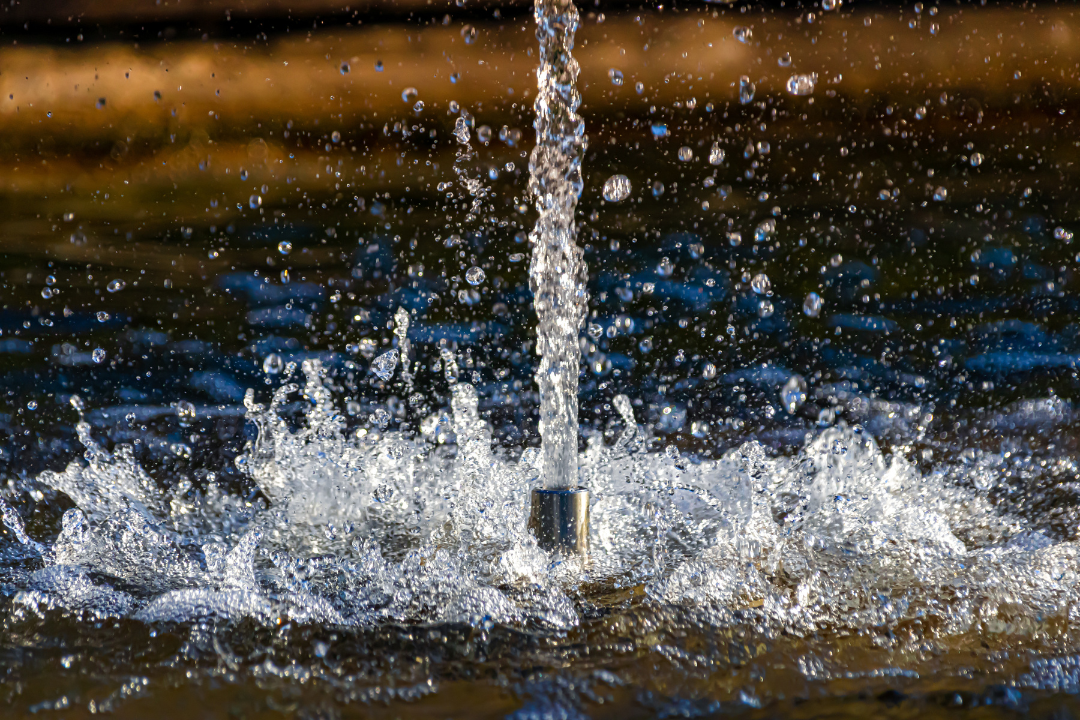
When designing a water fountain feature (non-drinking) in open spaces that will be used by children, elders, and exposed to environmental elements such as dust and leaves, several key considerations should be taken into account:
Safety: Safety should be the top priority. The water fountain feature should be designed with safety features such as slip-resistant surfaces, rounded edges, and appropriate depths to prevent accidental falls or injuries. Consideration should also be given to the placement of the fountain to ensure it is located away from potential hazards such as roads or sharp objects.
Accessibility: The fountain should be designed to be accessible to all users, including children, elders, and people with disabilities. It should ensure that individuals with mobility impairments can easily approach and interact with the fountain.
Durability: Open spaces are exposed to environmental elements, which can cause wear and tear on the fountain. Therefore, the materials and finishes used in the fountain should be durable and resistant to weathering, corrosion, and other environmental factors. It should be easy to clean and maintain to ensure its longevity.
Hygiene: Although it is a non-drinking fountain, hygiene is still important. The design should minimize the risk of stagnant water and be easy to clean to prevent the buildup of dirt, leaves, and other debris. Splash guards and drain systems should be incorporated to keep the fountain area clean and prevent standing water from becoming a breeding ground for pests.
Aesthetics: The design of the water fountain feature should enhance the overall aesthetics of the open space and be visually appealing. It should blend well with the surrounding environment, complementing the overall design theme and creating an attractive focal point.
Functionality: The fountain should be designed to be functional and easy to use for all age groups. Consideration should be given to the height and location of water features, controls, and buttons to ensure they are accessible and user-friendly for children, elders, and other users.
Sustainability: Designing the water fountain feature with sustainability in mind can help reduce water waste and minimize environmental impact. Incorporating features such as water-saving mechanisms, recycled materials, and energy-efficient lighting can contribute to a more sustainable design.
By considering these factors, a water fountain feature in open spaces can be designed to be safe, accessible, durable, hygienic, aesthetically pleasing, functional, and sustainable, catering to the needs of children, elders, and other users while considering the environmental elements.