

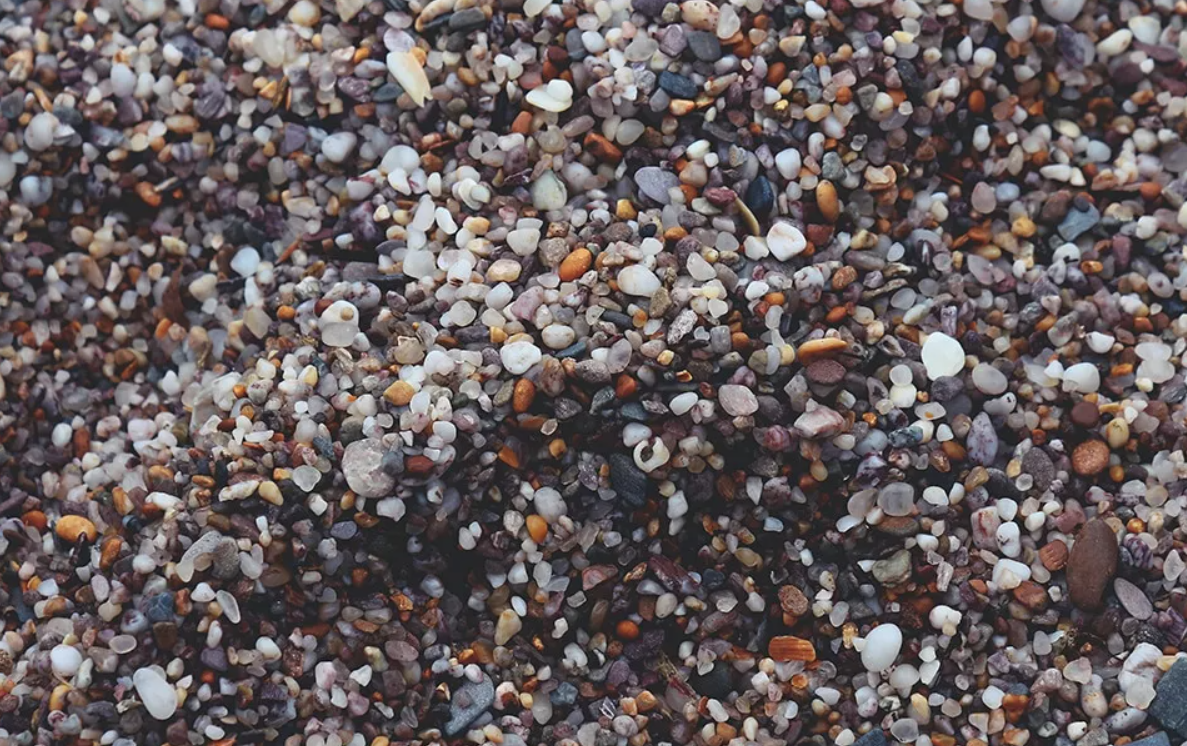
Gravel is commonly used in fish pond filtration systems for several reasons:
Biological Filtration: Gravel provides a large surface area for beneficial bacteria to colonize. These bacteria play a crucial role in the nitrogen cycle by converting toxic ammonia (released by fish waste and decaying organic matter) into nitrites and further into nitrates, which are less harmful to fish. The extensive surface area of the gravel allows for the growth of a large bacterial population, enhancing the efficiency of biological filtration.
Mechanical Filtration: Gravel helps to trap larger debris and waste particles suspended in the water. As water flows through the gravel bed, solid particles get trapped in the gaps between the gravel stones. This prevents the accumulation of debris in the pond and helps maintain water clarity.
Oxygenation: Gravel promotes the circulation of water and increases the oxygenation of the pond. As water passes through the spaces between gravel particles, it becomes well-oxygenated, benefiting the fish and other aquatic organisms. Adequate oxygen levels are crucial for the health and well-being of fish.
Habitat for Beneficial Organisms: Gravel provides a habitat for various organisms that contribute to the overall health of the pond ecosystem. In addition to the beneficial bacteria mentioned earlier, gravel can house other beneficial microorganisms, insects, and small invertebrates that help break down organic matter and contribute to the overall balance of the pond.
Surface Area for Plant Growth: Gravel can serve as a substrate for aquatic plants. The roots of these plants can grow through the gravel, utilizing the nutrients present in the water. Aquatic plants not only add aesthetic value to the pond but also help absorb excess nutrients, improve water quality, and provide shelter for fish.
It's worth noting that the specific design and configuration of a fish pond filtration system can vary depending on the size of the pond, the type and number of fish, and other environmental factors. Gravel is often used in conjunction with other filtration components, such as mechanical filters, biological filters, and UV sterilizers, to achieve optimal water quality and maintain a healthy aquatic environment.
The Benefits of Using Gravel Alongside Pond Filters
Pond filters and pumps work hard, and adding natural gravel filtration reinforces their work as an inexpensive and low-maintenance way of enhancing your water quality.
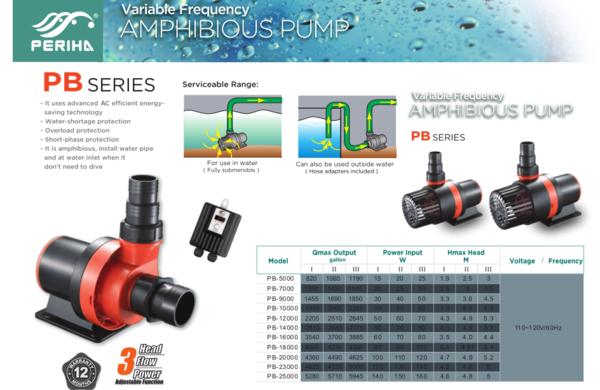
The ideal combination of a high-performance pond pump and filter, gravel and biological filtration ensures you can avoid unnecessary water treatments and keep all your outdoor species feeling happy.
Keywords
work
gaps
type
size
pumps
roots
spaces
number
insects
habitat
shelter
addition
Benefits
nitrates
nitrites
fish waste
well-being
efficiency
gravel bed
conjunction
circulation
Oxygenation
inexpensive
Plant Growth
Pond Filters
crucial role
larger debris
configuration
water clarity
toxic ammonia
gravel stones
organic matter
overall health
nitrogen cycle
aquatic plants
pond ecosystem
UV sterilizers
several reasons
waste particles
outdoor species
specific design
aesthetic value
overall balance
solid particles
gravel particles
excess nutrients
ideal combination
various organisms
biological filters
mechanical filters
large surface area
beneficial bacteria
low-maintenance way
small invertebrates
Beneficial Organisms
Mechanical Filtration
Biological Filtration
optimal water quality
Adequate oxygen levels
extensive surface area
other aquatic organisms
natural gravel filtration
high-performance pond pump
large bacterial population
healthy aquatic environment
other filtration components
other environmental factors
unnecessary water treatments
fish pond filtration systems
other beneficial microorganisms