Essential Guide to Chlorine Dosing Pumps: Precision Water Treatment for Every Application
Water treatment has never been more critical than it is today. Whether you're maintaining a pristine swimming pool, operating a sewage treatment plant (STP), or managing industrial water systems, precise chemical dosing is the backbone of effective water treatment. Enter the chlorine dosing pump – a compact yet powerful solution that's revolutionizing how we approach water disinfection and treatment.
What is a Chlorine Dosing Pump?
A chlorine dosing pump is a specialized metering pump designed to inject precise amounts of chlorine or other chemical solutions into water systems. These pumps ensure consistent, automated chemical dosing, eliminating guesswork and human error while maintaining optimal water quality around the clock.
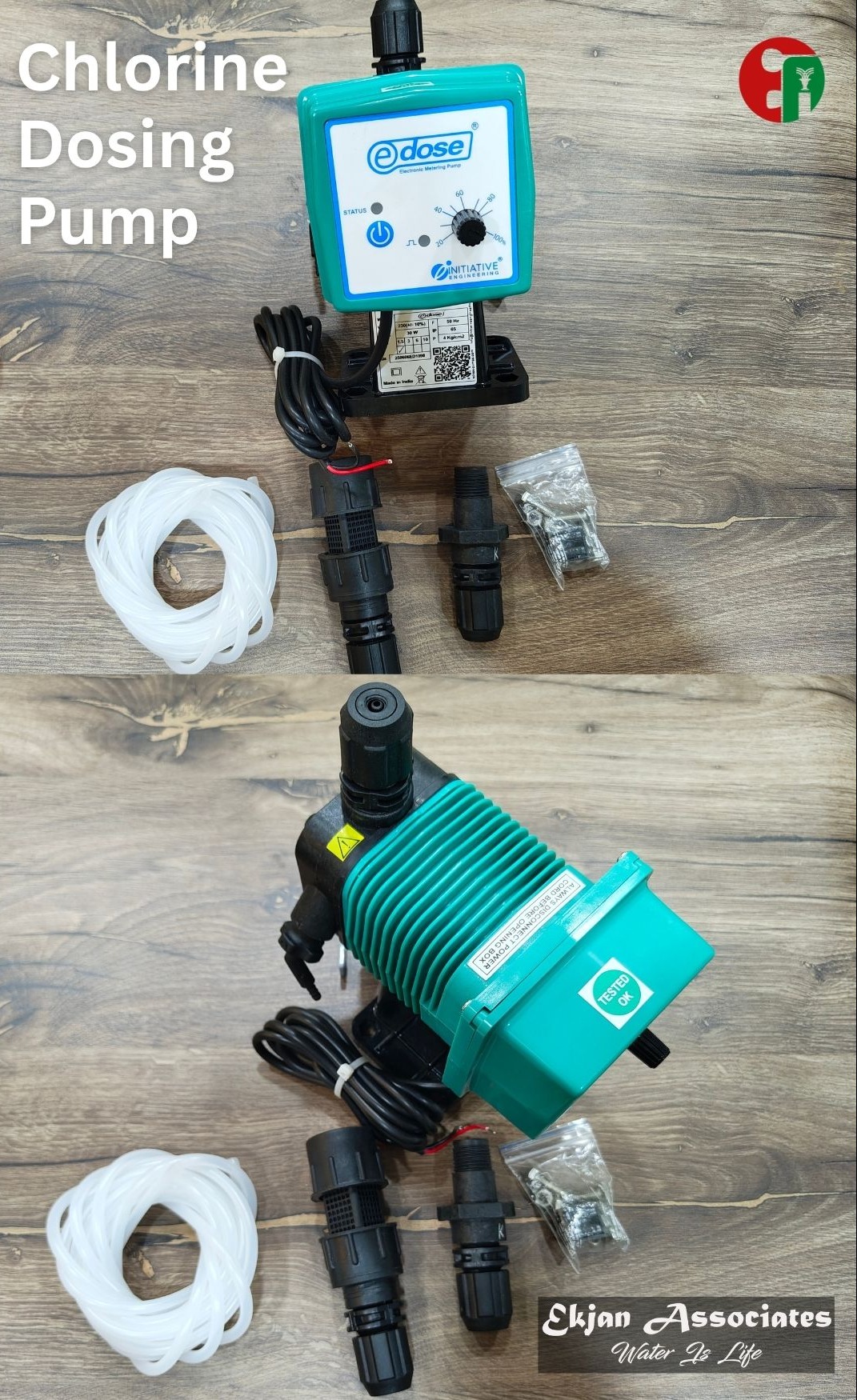
The pump featured in our image showcases the modern evolution of dosing technology – compact, reliable, and packed with intelligent features that make water treatment more efficient than ever before.
Versatile Applications Across Industries
Swimming Pools
Pool maintenance requires consistent chlorine levels to ensure swimmer safety and water clarity. Dosing pumps automatically maintain the ideal chlorine concentration (typically 1-3 ppm), preventing both under-chlorination (leading to bacterial growth) and over-chlorination (causing skin and eye irritation).
Sewage Treatment Plants (STPs)
In wastewater treatment, chlorine dosing pumps play a crucial role in the final disinfection stage, eliminating harmful pathogens before treated water is discharged or reused. The precise control ensures compliance with environmental regulations while optimizing chemical usage.
Industrial Water Treatment
Manufacturing facilities, cooling towers, and process water systems rely on dosing pumps to prevent biofouling, control pH levels, and maintain water quality standards essential for operational efficiency.
Municipal Water Systems
Public water utilities use these pumps to ensure safe drinking water by maintaining residual chlorine levels throughout distribution networks.
Available Capacity Models
1.5 LPH (Liters Per Hour)
Perfect for small residential pools, spas, and minor water treatment applications. This model offers:
- Ideal for pools up to 20,000 liters
- Low power consumption
- Cost-effective solution for homeowners
- Precise micro-dosing capabilities
6 LPH Model
The workhorse for medium-scale applications including:
- Commercial pools and water parks
- Small to medium STPs
- Industrial process water treatment
- Multi-unit residential complexes
10 LPH Model
Designed for high-demand applications such as:
- Large municipal pools and aquatic centers
- Major industrial water treatment facilities
- High-capacity sewage treatment plants
- Continuous operation requirements
Key Features and Benefits
Precision Control: Advanced metering technology ensures accurate dosing within ±2% accuracy, maintaining optimal chemical levels without waste.
Automated Operation: Set-and-forget functionality with programmable dosing schedules, reducing manual intervention and labor costs.
Chemical Compatibility: Constructed with corrosion-resistant materials suitable for various chemicals including sodium hypochlorite, calcium hypochlorite, and chlorine dioxide.
Easy Installation: Complete kit includes all necessary fittings, tubing, and mounting hardware for quick setup.
Energy Efficient: Low power consumption with reliable operation, reducing operational costs.
Safety Features: Built-in protection against dry running, overpressure, and electrical faults.
Installation and Maintenance
These pumps come ready to install with comprehensive accessory kits including injection fittings, suction tubing, and mounting brackets. Regular maintenance involves simple tasks like checking tubing for wear, cleaning injection points, and calibrating dosing rates – typically requiring just minutes per month.
Choosing the Right Model
Selecting the appropriate capacity depends on several factors:
- Water volume to be treated
- Required chlorine demand
- System turnover rate
- Peak usage periods
- Future expansion plans
The Future of Water Treatment
Modern dosing pumps represent a shift toward smarter, more sustainable water treatment. With features like remote monitoring capabilities, energy-efficient operation, and precision dosing, these systems reduce chemical waste while ensuring consistently safe water quality.
Conclusion
Chlorine dosing pumps are indispensable tools in modern water treatment, offering reliability, precision, and versatility across diverse applications. Whether you're managing a backyard pool or a major treatment facility, choosing the right dosing pump – be it 1.5, 6, or 10 LPH – ensures optimal water quality while minimizing operational costs and environmental impact.
Invest in quality dosing equipment today, and experience the peace of mind that comes with automated, precise water treatment. Your water systems – and those who depend on them – deserve nothing less than the best in dosing technology.