The Art of Modern Water Features: Where Contemporary Design Meets Timeless Serenity
In today's fast-paced world, there's something profoundly captivating about the gentle cascade of water flowing from a sleek, contemporary fountain. Modern water features have evolved far beyond the ornate, classical designs of yesteryear, embracing minimalist aesthetics that speak to our contemporary sensibilities while maintaining water's eternal ability to soothe and inspire.
The Rise of Contemporary Fountain Design
Contemporary fountain design represents a dramatic shift from traditional ornamental water features. Where classical fountains often featured elaborate sculptures, intricate carvings, and complex multi-tiered structures, modern designs embrace the beauty of simplicity. Clean lines, geometric forms, and innovative materials create water features that serve as both functional art pieces and tranquil focal points.
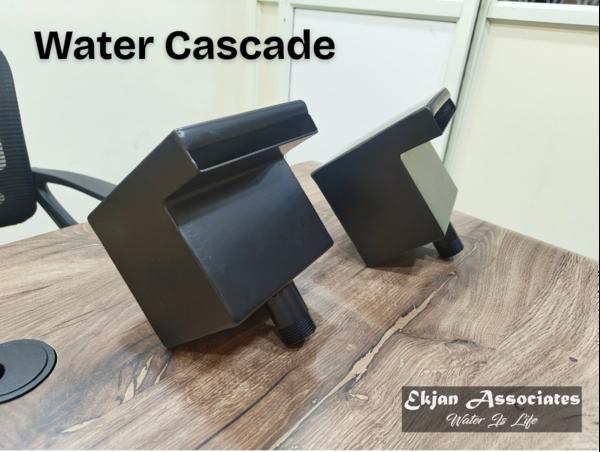
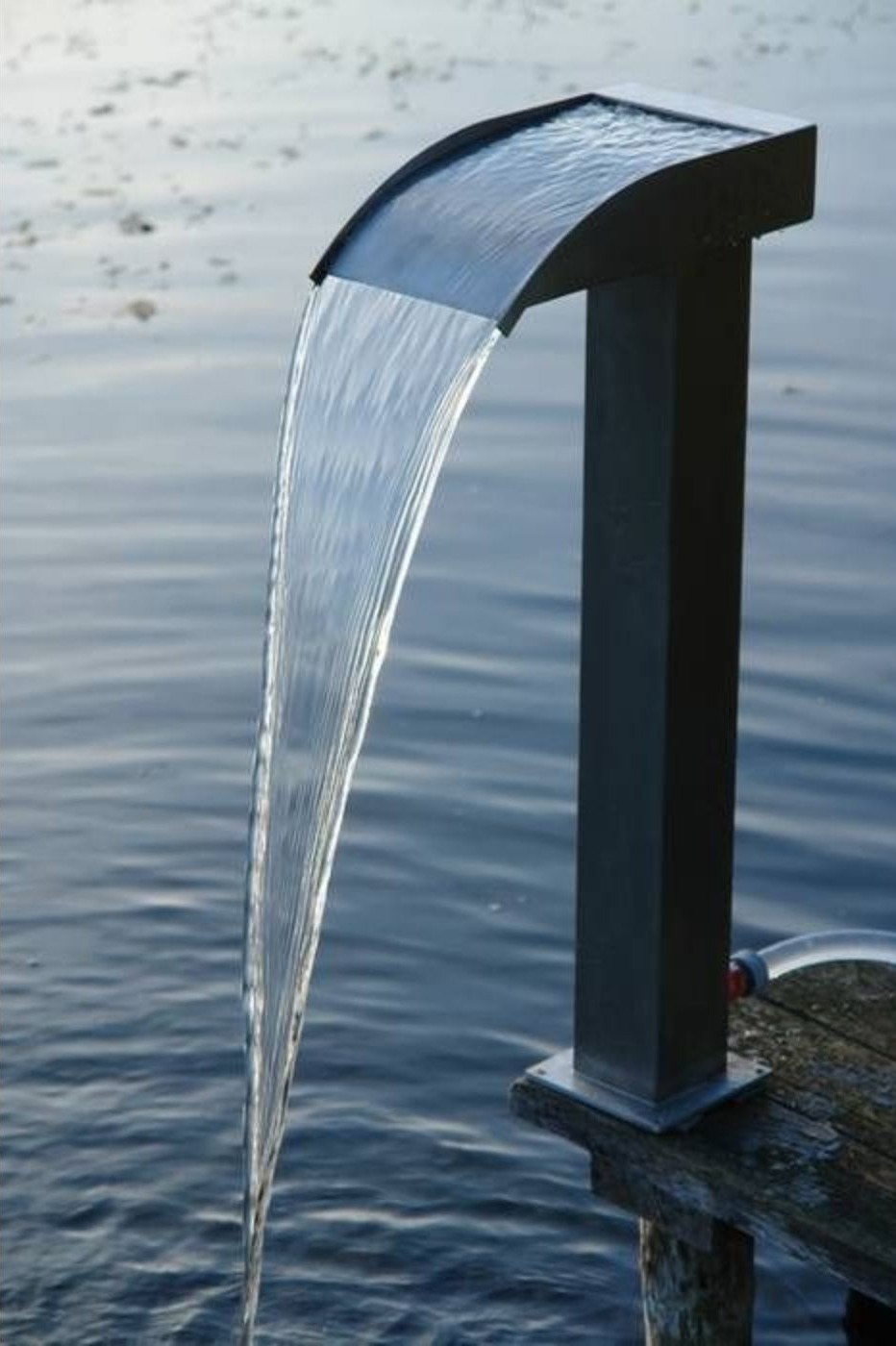
The fountain in focus exemplifies this evolution perfectly. Its sleek, angular silhouette creates a striking contrast against the natural water backdrop, demonstrating how modern design can harmonize with nature rather than compete with it. The dark, monolithic structure channels water in a precise, controlled arc that celebrates the material's fluid properties while maintaining architectural integrity.
Key Elements of Modern Fountain Aesthetics
Minimalist Form: Contemporary fountains strip away unnecessary ornamentation, focusing instead on pure form and function. The result is designs that feel both timeless and distinctly modern.
Material Innovation: Modern fountains often incorporate materials like brushed steel, powder-coated aluminum, corten steel, and engineered stone. These materials offer durability while providing the clean, sophisticated appearance that defines contemporary design.
Geometric Precision: Sharp angles, clean edges, and precise proportions create visual impact through geometry rather than decoration. This approach creates fountains that feel intentional and sophisticated.
Water as the Star: Rather than using water as a supporting element, contemporary designs often make the water flow itself the primary visual feature. The movement, sound, and reflective qualities of water become the fountain's main attraction.
The Psychology of Modern Water Features
There's compelling science behind our attraction to water features. The sound of flowing water triggers our parasympathetic nervous system, promoting relaxation and reducing stress hormones. In contemporary design, this natural benefit is enhanced by the visual calm that minimalist aesthetics provide.
Modern fountains create what designers call 'contemplative spaces' – areas where the mind can rest and reset. The combination of water's natural tranquility with clean, uncluttered design creates an environment that feels both sophisticated and deeply peaceful.
Integration with Contemporary Landscapes
Today's fountain designs are created with integration in mind. They're designed to complement modern architecture and contemporary landscaping rather than dominate it. This approach allows water features to enhance outdoor living spaces without overwhelming them.
The versatility of modern fountain design means they work equally well in urban courtyards, suburban gardens, and commercial spaces. Their clean aesthetics complement everything from glass and steel architecture to natural stone patios and minimalist gardens.
Sustainable Design Considerations
Contemporary fountain design also embraces sustainability. Modern water features often incorporate:
- Recirculating Systems: Eliminating water waste through closed-loop designs
- Energy-Efficient Pumps: Reducing electrical consumption
- Smart Controls: Automated systems that adjust operation based on weather and usage
- Durable Materials: Long-lasting materials that reduce replacement needs
The Future of Fountain Design
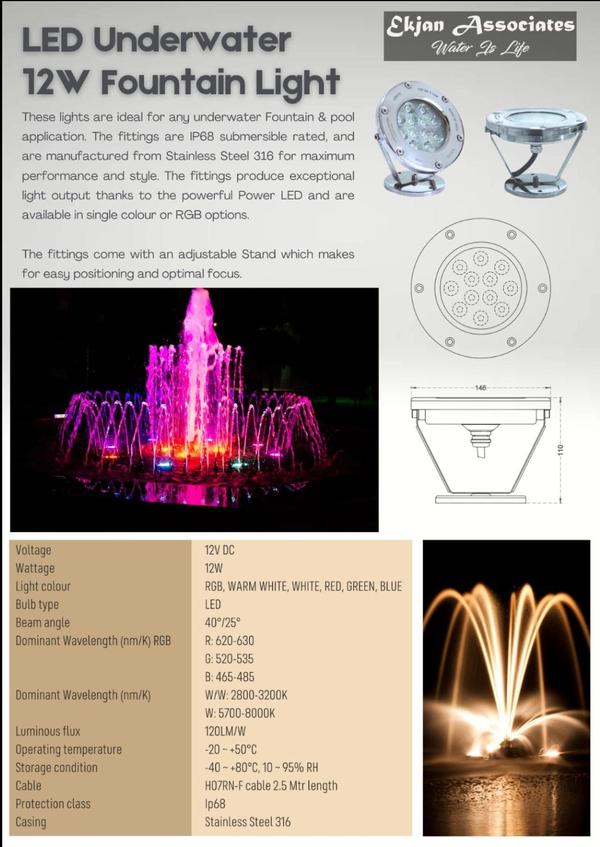
As we look ahead, fountain design continues to evolve. Integration with smart home systems, LED lighting that responds to ambient conditions, and even app-controlled features are becoming more common. However, the core principles of contemporary design – simplicity, quality materials, and celebration of water's natural properties – remain constant.
Creating Your Own Modern Water Feature
When considering a contemporary fountain for your space, think about:
Scale and Proportion: Modern fountains work best when they're appropriately sized for their setting. A fountain should complement, not overwhelm, its environment.
Material Selection: Choose materials that will age gracefully and complement your existing architecture and landscape.
Water Flow Design: Consider how the water will move and sound. Contemporary designs often feature smooth, controlled flows that create gentle, relaxing sounds.
Maintenance Requirements: Modern doesn't mean maintenance-free. Consider access for cleaning and seasonal care.
Conclusion
Contemporary fountain design represents more than just an aesthetic choice – it's a philosophy that values simplicity, quality, and the inherent beauty of natural elements. These modern water features create spaces for reflection and tranquility in our increasingly complex world.
Whether serving as a dramatic focal point in a minimalist garden or providing a calming presence in a busy commercial space, contemporary fountains demonstrate that the best design often lies in restraint. By allowing water's natural beauty to take center stage within thoughtfully crafted forms, modern fountains create lasting value that transcends trends.
The marriage of contemporary design principles with water's timeless appeal creates features that are both of our time and timeless – a perfect reflection of what great design should achieve.