The Complete Guide to Using 8D Filter Pads for Crystal-Clear Fish Pond Water
If you're a pond owner struggling with cloudy water, algae blooms, or excess debris, 8D filter pads might be the game-changing solution you've been searching for. These innovative multi-layered filtration media have revolutionized pond maintenance, offering superior mechanical and biological filtration in a simple, affordable package. In this comprehensive guide, we'll explore everything you need to know about 8D filter pads and how to use them effectively in your fish pond filtration system.
What Are 8D Filter Pads?
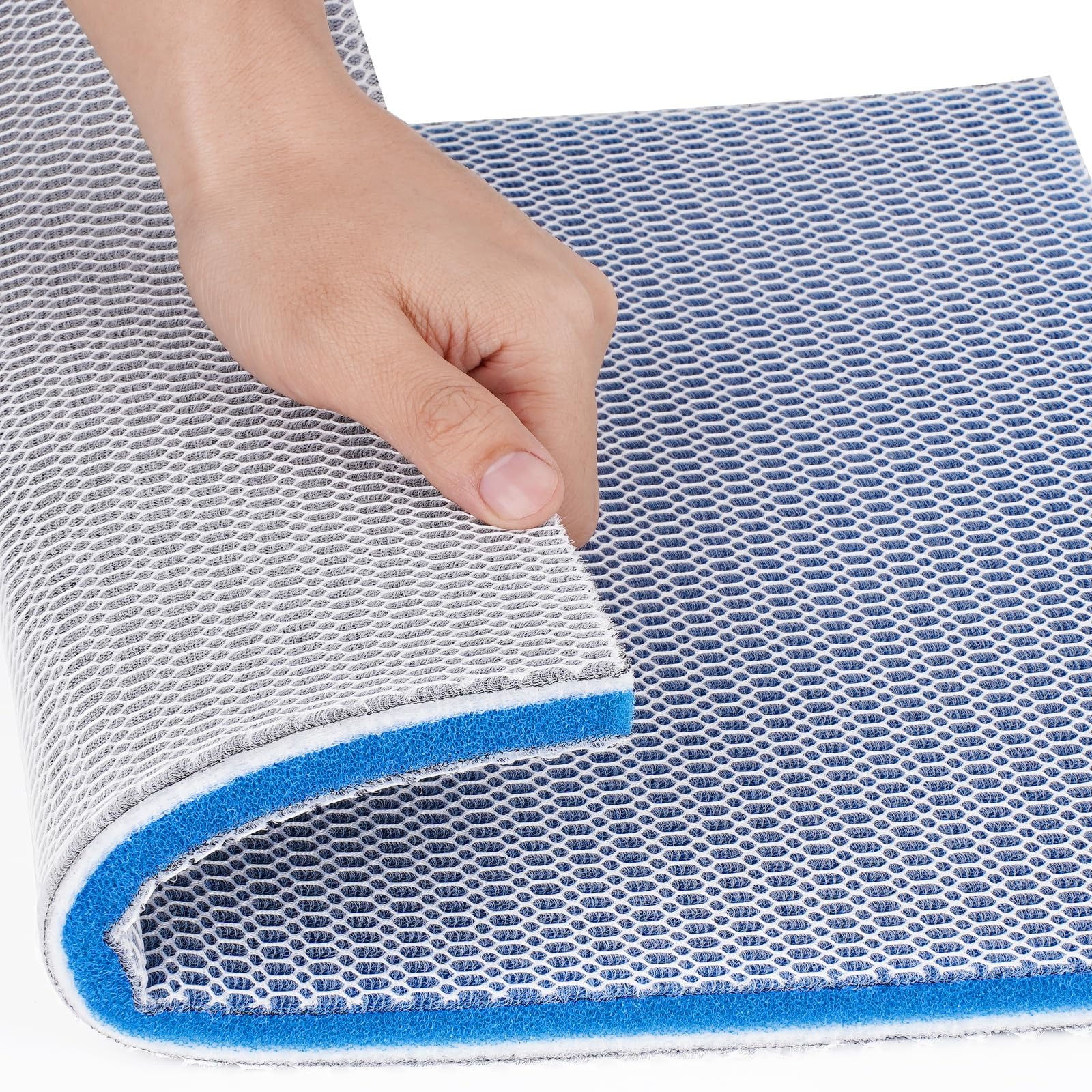
8D filter pads are specialized filtration media designed with a unique three-dimensional mesh structure. The "8D" refers to the advanced eight-dimensional weaving technology that creates multiple layers of filtration capacity within a single pad. These pads typically feature a distinctive honeycomb or hexagonal mesh pattern on the surface, with dense foam or fiber layers underneath, providing both mechanical filtration (removing physical debris) and surface area for beneficial bacteria colonization (biological filtration).
Why Choose 8D Filter Pads?
Superior Filtration Efficiency: The multi-layered construction traps particles of various sizes, from large debris to microscopic waste.
Excellent Water Flow: Despite their filtration density, 8D pads maintain good water flow, preventing system clogging and ensuring adequate oxygenation.
Biological Support: The extensive surface area provides an ideal environment for beneficial bacteria that break down harmful ammonia and nitrites.
Durability: These pads are built to last, withstanding regular cleaning and harsh outdoor conditions.
Easy Maintenance: Simple to remove, clean, and reinstall without specialized tools.
Step-by-Step Guide to Using 8D Filter Pads
1. Choosing the Right Size and Type
Before installation, measure your filter chamber or filtration box to ensure you select appropriately sized pads. 8D filter pads come in various thicknesses (typically 1-3 inches) and densities. For fish ponds:
- Coarse pads (blue foam layer): Use as the first stage to capture large debris like leaves and fish waste
- Medium pads (gray or white mesh): Place second for finer particle filtration
- Fine pads (dense white material): Use as the final stage for polishing water clarity
2. Preparing Your Filter System
Turn off your pond pump before working on the filtration system. Remove any existing filter media carefully, noting the configuration for reference. Clean the filter housing thoroughly, removing accumulated sludge and debris. This ensures your new 8D pads work at maximum efficiency from day one.
3. Installing 8D Filter Pads
Layering Method: Stack the pads in order of coarseness, with the coarsest pad facing the incoming water. This progressive filtration prevents the finer pads from clogging too quickly.
Proper Fit: Trim pads if necessary using sharp scissors or a utility knife to fit your filter chamber snugly. Avoid gaps where water could bypass the filtration media.
Secure Placement: Ensure pads sit flat and won't shift when water flows through them. Some systems use clips or weight plates to keep pads in position.
Water Direction: Confirm that water flows through the mesh surface first, allowing the honeycomb structure to trap larger particles before they reach the dense foam layers.
4. System Startup
Once installed, restart your pump gradually. Check for proper water flow and ensure no water is bypassing the filter pads. You may notice slightly reduced flow initially as the pads settle and compress under water pressure—this is normal. Monitor the system for the first few hours to confirm everything is working correctly.
5. Regular Maintenance Schedule
Weekly Inspection: Check pads for excessive buildup, especially during spring and fall when debris loads are highest.
Cleaning Frequency: Clean pads every 1-4 weeks depending on pond size, fish load, and season. Heavily stocked ponds or those with heavy feeding schedules require more frequent cleaning.
Cleaning Method:
- Remove pads from the filter
- Rinse with pond water or dechlorinated water (never tap water, which kills beneficial bacteria)
- Gently squeeze and massage to release trapped debris
- Avoid aggressive scrubbing that damages the 8D structure
- Rinse until water runs relatively clear
Rotation Strategy: Consider having two sets of pads, rotating them during cleaning so beneficial bacteria colonies always remain in your filter system.
6. When to Replace
While durable, 8D filter pads don't last forever. Replace them when:
- The mesh structure becomes damaged or tears
- The foam layers lose their density and become permanently compressed
- Pads no longer spring back after cleaning
- Water flow remains poor even after thorough cleaning
- Generally, every 6-18 months depending on use
Maximizing 8D Filter Pad Performance
Pre-filtration: Install a vortex chamber or settling tank before your filter pads to remove the heaviest debris, extending pad life.
Adequate Sizing: Use enough pad surface area for your pond volume. A general rule is one square foot of filtration per 100 gallons of water.
Biological Maturation: Allow 4-6 weeks for beneficial bacteria colonies to establish on new pads. Avoid over-cleaning during this period.
Seasonal Adjustments: Increase cleaning frequency during warmer months when fish metabolism and feeding increase.
Chemical Caution: Avoid medications or treatments that might harm the beneficial bacteria living on your filter pads. When treatment is necessary, remove and store pads in pond water during medication periods.
Troubleshooting Common Issues
Rapid Clogging: Indicates inadequate pre-filtration or overstocking. Add a pre-filter or reduce fish load.
Poor Water Clarity: May suggest pads are too coarse, insufficient filtration surface area, or inadequate biological filtration time.
Ammonia Spikes: Check that biological bacteria colonies are established. Avoid over-cleaning, which removes beneficial bacteria.
Reduced Flow: Clean or replace pads immediately. Reduced flow means reduced oxygenation and filtration.
Conclusion
8D filter pads represent an excellent balance of effectiveness, affordability, and ease of use for pond filtration. By following proper installation and maintenance procedures, you'll enjoy crystal-clear water, healthier fish, and reduced maintenance time. The key is establishing a consistent routine, understanding your pond's specific needs, and giving the biological filtration time to mature. With the right approach, these remarkable filter pads will keep your pond ecosystem thriving year-round, providing a beautiful and healthy environment for your fish to flourish.