The Allure of Outdoor Fountains: Why These Water Features Belong Outside
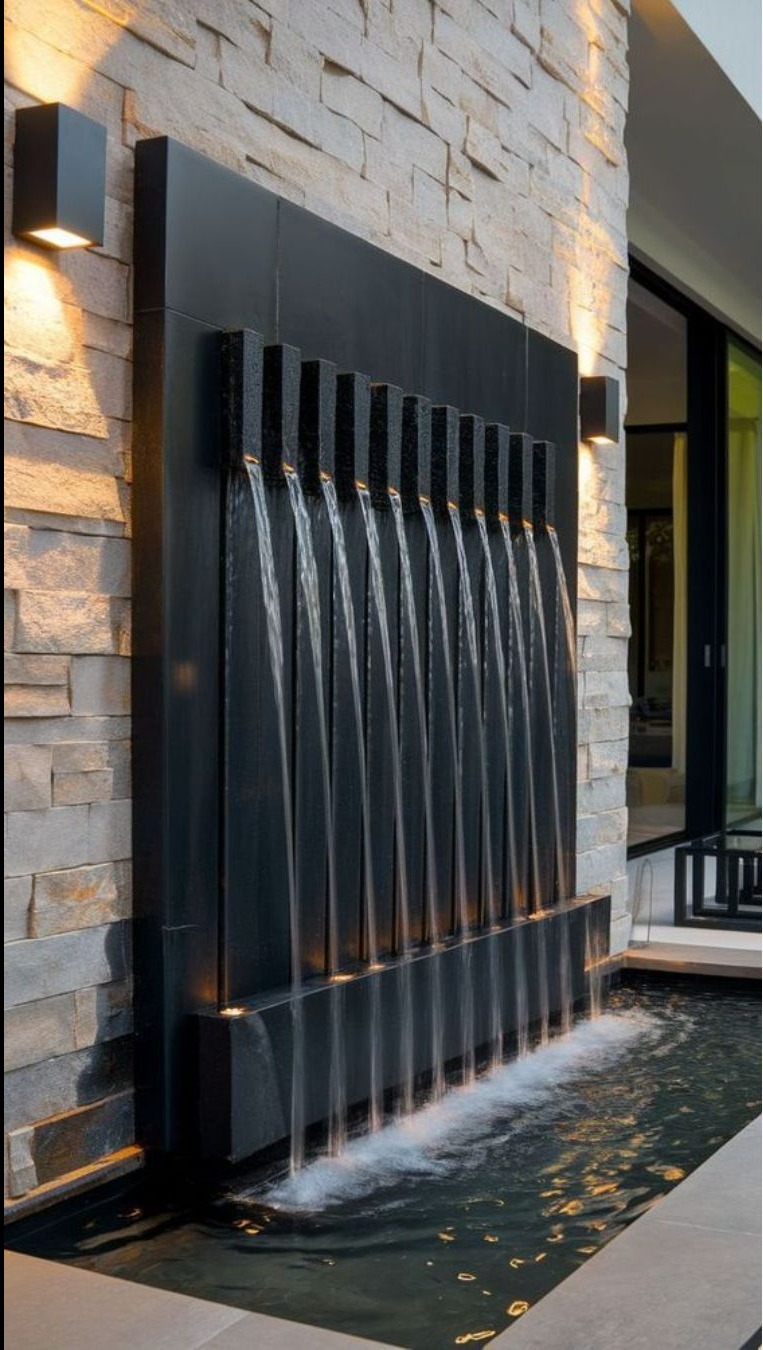
There's something undeniably captivating about a modern water fountain cascading against textured stone walls. The sleek vertical design, the gentle sound of flowing water, the interplay of light and shadow – it's contemporary architecture at its finest. But as stunning as these installations are, they're specifically designed for outdoor spaces. Let's explore why.
The Science of Water and Air
Outdoor fountains like the one pictured operate on a grand scale, constantly circulating and aerating water. This process releases significant moisture into the surrounding air. While beautiful outdoors, bringing this much humidity indoors can wreak havoc on your home. Excess moisture leads to mold growth, warped wood floors, peeling paint, and damaged drywall. Your home simply isn't designed to handle the constant evaporation that large water features produce.
Material Matters
Notice the robust construction in the image – heavy stone cladding, substantial metal panels, and a concrete basin. These materials are chosen for durability against the elements: temperature fluctuations, UV exposure, rain, and frost. They're also heavy, requiring proper foundation support that most indoor floors cannot provide. The weight of the water alone, combined with the structure, could easily exceed several thousand pounds.
The Splash Factor
Outdoor fountains embrace the dramatic splash and spray that adds to their visual appeal. The cascading water creates movement and sound, with droplets that dance in the sunlight. Indoors, this same feature becomes problematic. Constant splashing means wet floors, potential slip hazards, and water damage to surrounding surfaces and furnishings.
Sound Considerations
The soothing sound of running water is therapeutic in a garden or patio setting, where it masks traffic noise and creates ambiance. However, the same sound amplified within enclosed walls can become overwhelming. The acoustics of indoor spaces magnify water sounds, turning peaceful trickling into intrusive noise that disrupts conversation and concentration.
Maintenance Reality
Outdoor fountains require regular maintenance – cleaning debris, treating algae, checking pumps, and winterizing in cold climates. They're designed with this in mind, featuring accessible components and drainage systems that work with outdoor plumbing. The pool shown in the image likely has filtration and overflow systems integrated into the outdoor landscape design.
Embracing Outdoor Living
Perhaps the most compelling reason these fountains belong outside is that they're designed to enhance outdoor living spaces. They create focal points in gardens, transform patios into resort-like retreats, and connect architecture with nature. The fountain pictured seamlessly integrates with the stone facade and outdoor entertaining area, creating a cohesive design that celebrates the boundary between interior and exterior spaces.
The Bottom Line
While indoor water features certainly exist – think small tabletop fountains or carefully controlled wall installations – large-scale designs like this are outdoor-only for good reason. They're built to withstand weather, designed to enhance landscapes, and engineered for the unique demands of exterior spaces. Rather than trying to bring the outdoors in, these fountains invite us to step outside and enjoy the beauty of water in its ideal environment.