The Enchanting Art of Urn Fountains: Creating the Illusion of Floating Vessels
There's something almost magical about watching a centuries-old urn appear to float effortlessly on water, its weathered surface belying the sophisticated engineering beneath. Urn fountains represent one of the most elegant intersections of classical design and modern water feature technology, creating a mesmerizing focal point that captivates viewers with its seemingly impossible balance.
The Floating Illusion Explained
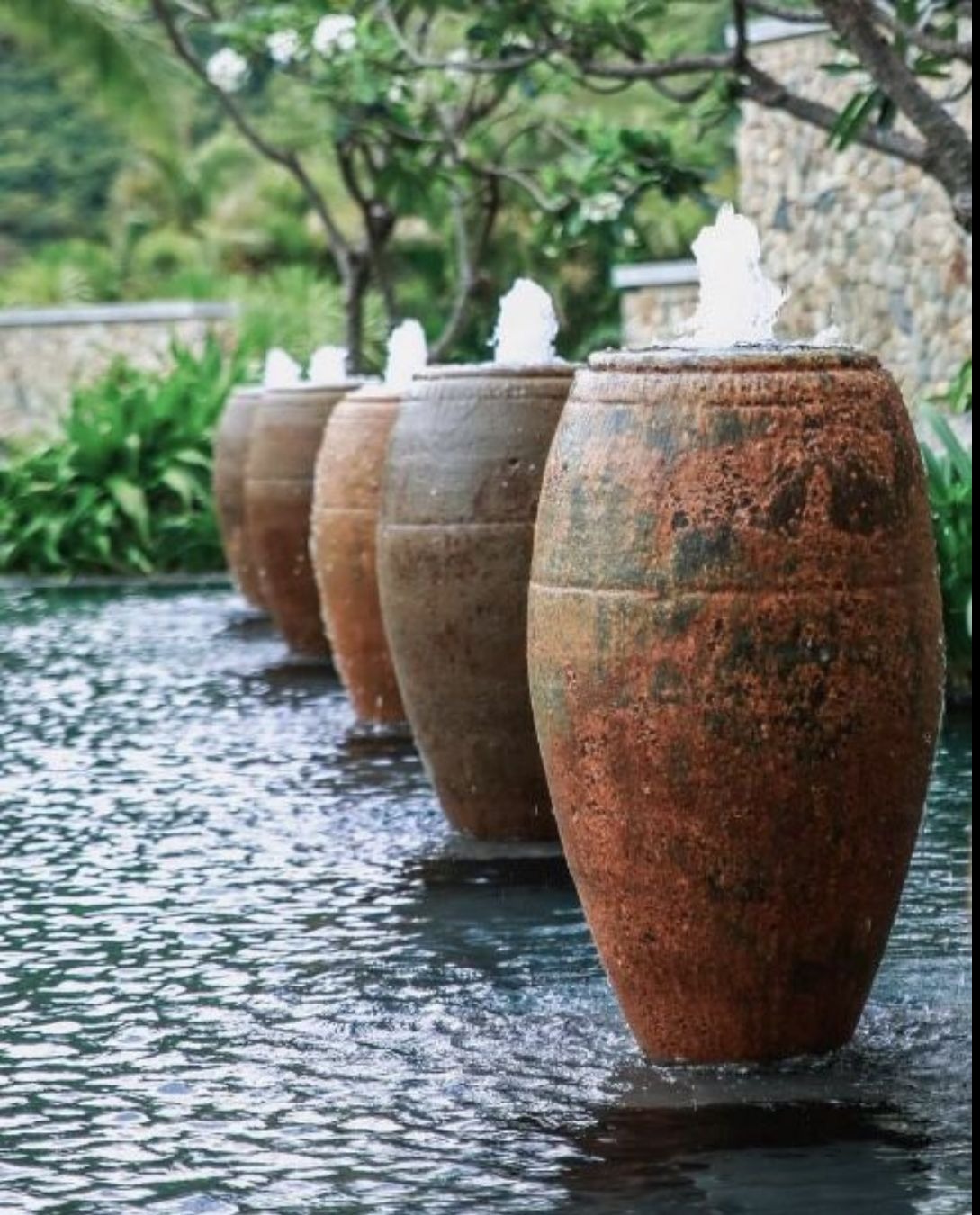
The stunning visual effect of a floating urn relies on carefully concealed plumbing and precise water flow management. Water is pumped up through a central pipe that supports the urn from beneath, then overflows evenly around all sides, creating a continuous sheet that obscures the supporting structure. This curtain of water gives the impression that the vessel is suspended in mid-air, defying gravity as it hovers above the basin below.
The effect is particularly striking when the water flow is calibrated perfectly – not so forceful that it splashes chaotically, but substantial enough to create an opaque veil that completely hides the mechanics. When sunlight catches this water curtain, the urn appears to float on liquid light itself.
Critical Design Considerations
Water Flow and Pressure Balance
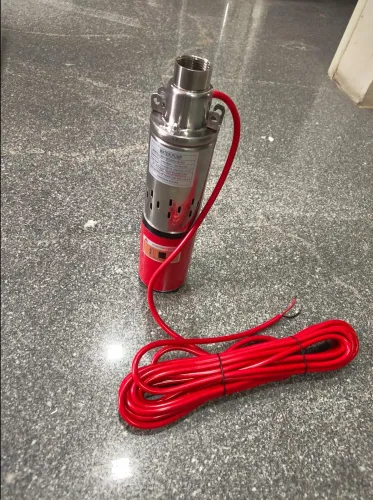
The single most crucial element is achieving uniform water overflow. The urn's rim must be perfectly level – even a few millimeters of variation will cause water to cascade more heavily on one side, breaking the illusion. Professional installers use leveling systems and sometimes grind or shim the rim to ensure absolute evenness. The pump must deliver consistent pressure, as fluctuations create uneven flow patterns that reveal the supporting pipe.
Urn Selection and Preparation
Not every urn works for this application. The vessel needs sufficient wall thickness to be drilled for the water inlet without compromising structural integrity. The opening must accommodate the supply pipe while maintaining stability. Material matters significantly – natural stone, ceramic, and cast concrete work beautifully, while lightweight resin may appear artificial. Many designers prefer aged urns with patina, moss, or weathering that adds authenticity and visual interest.
Drainage holes must be sealed completely, as any leakage will reduce overflow and potentially create dry spots that expose the support mechanism. The urn's interior is typically waterproofed to prevent absorption that could lead to cracking during freeze-thaw cycles.
Structural Support and Stability
The hidden pedestal or pipe supporting the urn must be engineered for both weight and water pressure. A substantial base prevents wobbling from wind or water force. The support structure should be powder-coated or made from corrosion-resistant materials, as constant water exposure will quickly degrade untreated metals. The foundation beneath must be rock-solid – any settling will throw off the careful leveling that makes the effect work.
Basin Design and Water Management
The catch basin below requires careful sizing to handle the volume of water flowing over the urn while maintaining an appropriate water level. Too shallow, and the pump may cavitate or run dry; too deep, and the visual connection between urn and water surface is lost. Many designs incorporate a hidden reservoir basin with a decorative upper basin, maximizing water capacity while maintaining aesthetic proportions.
Splash control is another consideration. Strategic placement of rocks, adjustable flow rates, and proper basin sizing all help contain water within the feature. Wind can be particularly disruptive, pushing the water curtain and creating uneven overflow patterns.
Maintenance Accessibility
Beautiful as they are, urn fountains require regular maintenance. Pump access should be straightforward, as these will need periodic cleaning. The system should allow for easy water level monitoring and refilling. Mineral deposits from hard water will accumulate on the urn's surface over time, potentially requiring cleaning to maintain the aesthetic. Design should incorporate shut-off valves and unions that allow component replacement without completely disassembling the feature.
Lighting Considerations
When adding lighting, submersible LEDs can be positioned to uplight the urn from within the water curtain, creating a dramatic nighttime display. However, lights must be positioned so they don't create hotspots or reveal the supporting infrastructure. The goal is enhancing the floating illusion, not exposing the mechanics.
The Timeless Appeal
Urn fountains bridge ancient and modern sensibilities. They offer the gravitas of classical architecture while demonstrating contemporary technical sophistication. The gentle sound of flowing water, combined with the visual paradox of a solid object appearing weightless, creates a contemplative focal point for gardens, courtyards, and entryways.
When executed properly, these fountains become more than mere water features – they're conversation pieces that invite closer inspection while rewarding extended observation with their subtle interplay of light, water, and stone.