Essential Guide to Dewatering Pumps: Your Solution for Water Management
When water accumulates where it shouldn't be, dewatering pumps become your most valuable ally. Whether you're dealing with flooded basements, construction sites, or routine water removal tasks, understanding these powerful tools can save you time, money, and headaches.
What Are Dewatering Pumps?
Dewatering pumps are specialized equipment designed to remove water from areas where it has accumulated unwantedly. These compact yet powerful machines are engineered to handle various water removal scenarios, from emergency flood situations to planned construction dewatering operations.
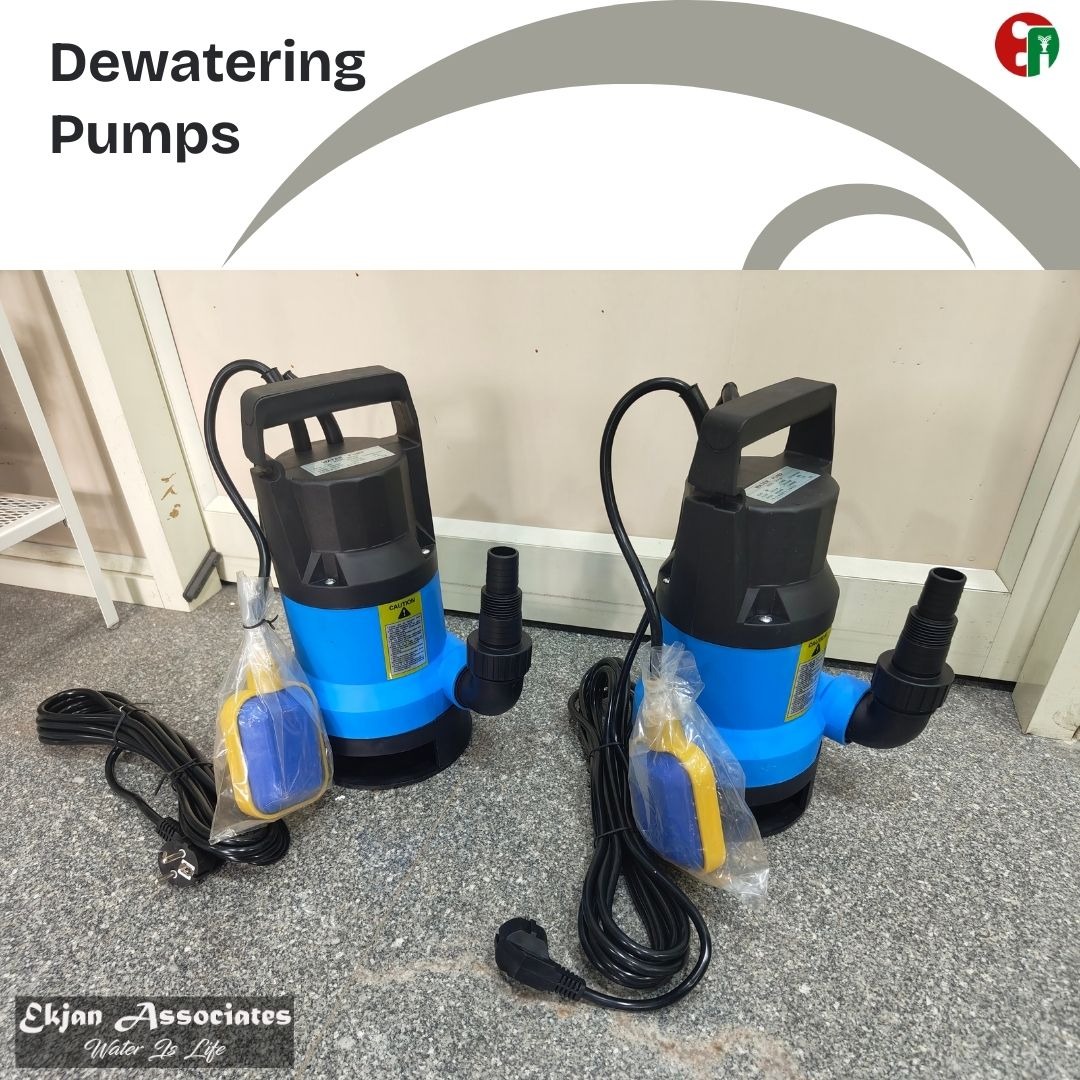
The pumps featured here showcase the typical design of modern dewatering equipment: sturdy black and blue construction with integrated handles for portability, electrical cords for power connection, and flexible hoses for water discharge.
Key Applications
Emergency Water Removal
- Basement flooding from storms or pipe bursts
- Crawl space water accumulation
- Emergency response situations
Construction and Industrial Use
- Foundation excavation dewatering
- Trench and pit water removal
- Pool and spa draining
- Maintenance operations
Residential Applications
- Hot tub and pool maintenance
- Sump pump backup
- Garden pond cleaning
- Utility room flooding
Essential Features to Consider
Flow Rate and Capacity Modern dewatering pumps typically handle anywhere from 1,000 to 5,000 gallons per hour, depending on the model. The pumps shown appear to be mid-capacity units suitable for residential and light commercial use.
Portability The integrated carrying handles visible in these units make transportation effortless. Weight distribution and compact design ensure you can easily move the pump to wherever it's needed most.
Durability The robust construction with reinforced housings protects internal components from debris and extends operational life, even in challenging environments.
Installation and Operation Tips
Proper Placement Position your pump at the lowest point of the area being dewatered. Ensure stable placement to prevent tipping during operation.
Hose Management Use the shortest possible discharge hose route while maintaining adequate elevation for proper drainage. Avoid kinks and sharp bends that can reduce efficiency.
Power Safety Always use GFCI-protected outlets when operating electrical pumps near water. Keep electrical connections elevated and dry.
Maintenance Best Practices
Regular Inspection Check hoses for cracks, examine electrical cords for damage, and ensure all connections remain tight and secure.
Cleaning Protocol After each use, flush the pump with clean water to remove debris and sediment. Store in a dry location to prevent corrosion.
Seasonal Preparation Before winter storage, run the pump briefly to ensure proper operation. Consider professional servicing annually for heavy-use applications.
Choosing the Right Pump
Assess Your Needs Consider the typical volume of water you'll need to move, the frequency of use, and the types of applications you'll encounter.
Power Requirements Evaluate available electrical supply and choose pumps that match your power capabilities while providing adequate performance.
Budget Considerations Quality dewatering pumps represent an investment in reliability. Consider long-term value over initial cost, especially for critical applications.
Professional vs. DIY Applications
While many dewatering tasks suit DIY approaches, complex situations involving contaminated water, large volumes, or critical timing may require professional intervention. These pumps excel in routine residential and light commercial applications where reliability and ease of use are paramount.
Conclusion
Dewatering pumps are indispensable tools for effective water management across numerous applications. The models shown represent the kind of reliable, portable equipment that can handle most residential and light commercial dewatering needs efficiently.
Whether you're a homeowner preparing for potential flooding, a contractor managing construction sites, or a facility manager maintaining commercial properties, investing in quality dewatering equipment ensures you're ready when water removal challenges arise.