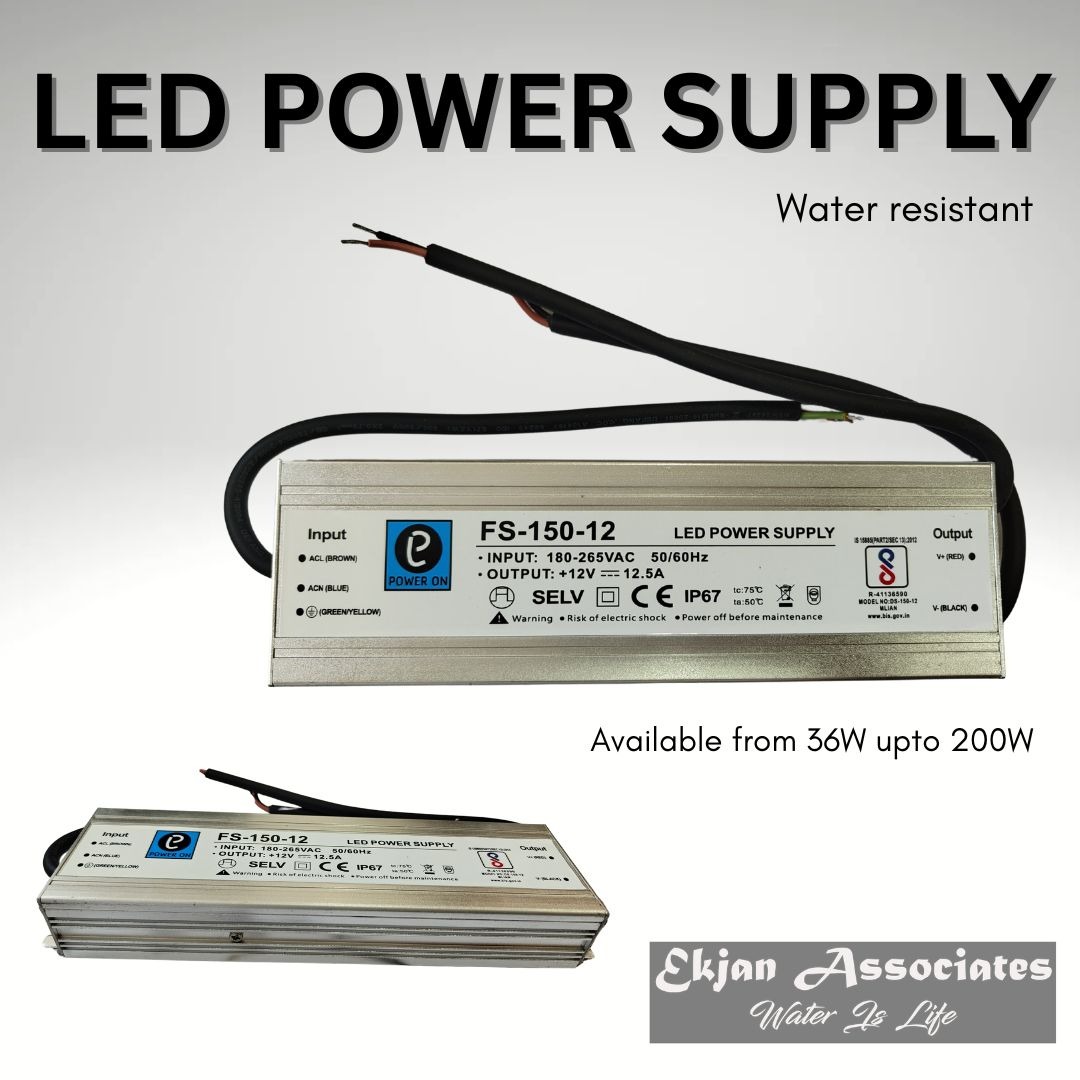
Understanding LED Power Supplies: The Smart Choice for Modern Lighting
When it comes to powering LED lighting systems, especially in challenging environments like fountains and swimming pools, choosing the right power supply is crucial. LED power supplies have revolutionized how we approach lighting solutions, offering superior efficiency, longevity, and reliability compared to traditional power systems.
What Makes LED Power Supplies Different from Standard SMPS?
While both LED power supplies and Switched-Mode Power Supplies (SMPS) convert AC to DC power, LED power supplies are specifically engineered for LED applications with several key distinctions:
Constant Current vs. Constant Voltage Output LED power supplies typically provide constant current output, which is essential for LED operation. Unlike standard SMPS that deliver constant voltage, LED drivers maintain steady current flow regardless of voltage fluctuations, ensuring consistent brightness and preventing LED degradation.
Thermal Management LED power supplies incorporate advanced thermal protection and heat dissipation features. They're designed to operate efficiently in the temperature ranges where LEDs perform optimally, typically including thermal shutdown protection and temperature derating curves.
Dimming Compatibility Many LED power supplies support various dimming protocols (0-10V, PWM, DALI) built into their design, while standard SMPS units require additional components for dimming functionality.
Surge Protection LED power supplies often include enhanced surge protection specifically designed for LED loads, protecting against voltage spikes that could damage sensitive LED components.
Why Water-Resistant LED Power Supplies Are Essential for Aquatic Applications
Superior Protection Ratings
Water-resistant LED power supplies, typically rated IP67 or higher, provide complete protection against dust ingress and water immersion. This makes them ideal for:
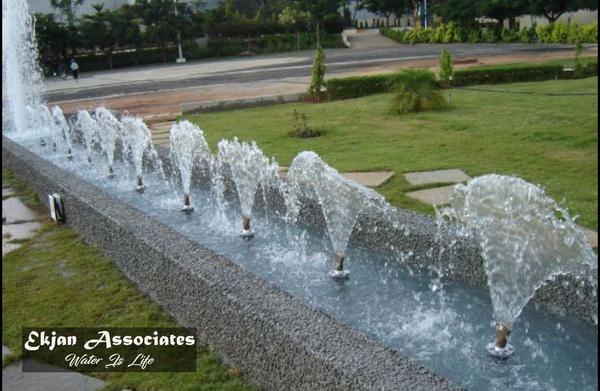
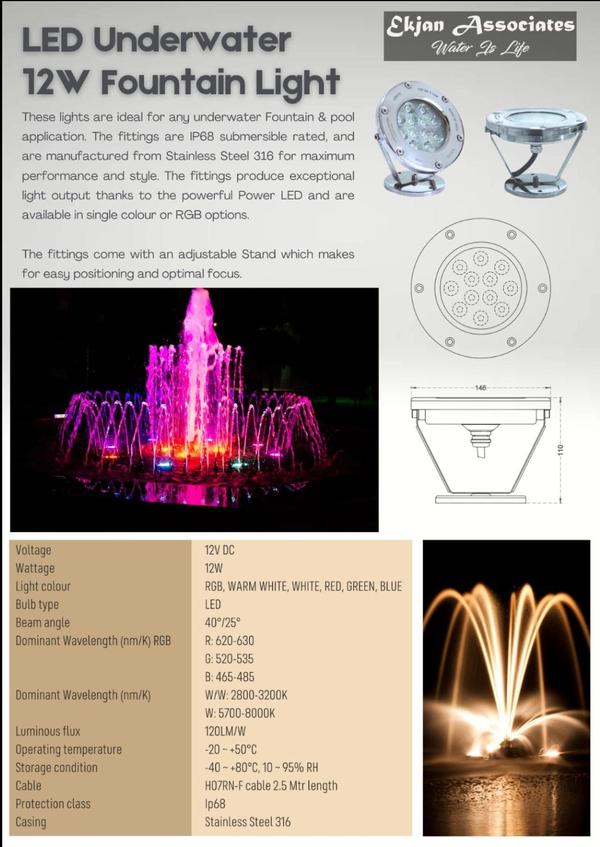
- Fountain Lighting: Submersible and near-water installations
- Swimming Pool Lighting: Underwater and poolside applications
- Outdoor Water Features: Ponds, waterfalls, and decorative water displays
Specialized Sealing Technology
These power supplies feature:
- Potted electronics with silicone or epoxy compounds
- Waterproof cable glands and connectors
- Corrosion-resistant housing materials (often aluminum or stainless steel)
- Breathable membranes to prevent condensation buildup
Safety Compliance
Water-resistant LED power supplies meet stringent safety standards for wet locations, including:
- UL certification for wet locations
- Low voltage output (typically 12V or 24V DC)
- SELV (Safety Extra Low Voltage) compliance
- Ground fault protection
Lifespan and Durability: What to Expect
Typical Lifespan
Quality water-resistant LED power supplies typically last:
- Standard Applications: 50,000-100,000 hours (5-11 years of continuous operation)
- Aquatic Environments: 30,000-80,000 hours (3-9 years) due to harsh conditions
- Premium Models: Up to 100,000+ hours with proper maintenance
Factors Affecting Longevity
Environmental Conditions
- Water temperature fluctuations
- Chemical exposure (chlorine, salt water)
- UV radiation exposure
- Ambient temperature ranges
Quality Indicators
- Electrolytic capacitor quality (the primary wear component)
- Thermal management efficiency
- Build quality and component selection
- Manufacturer reputation and warranty terms
Maintenance Practices
- Regular visual inspections for corrosion
- Proper ventilation where applicable
- Voltage monitoring and load balancing
- Timely replacement of aging units
Choosing the Right LED Power Supply
Power Rating Considerations
LED power supplies are available from 36W to 200W and beyond. Calculate your total LED load and add 20% headroom for optimal performance and longevity.
Installation Best Practices
- Mount in accessible locations for maintenance
- Use appropriate cable management and strain relief
- Ensure proper grounding and electrical safety compliance
- Consider redundancy for critical applications
Cost-Effectiveness
While water-resistant LED power supplies have higher initial costs, they provide:
- Reduced maintenance requirements
- Lower replacement frequency
- Enhanced safety and reliability
- Energy efficiency savings over time
Conclusion
Water-resistant LED power supplies represent the pinnacle of power supply technology for aquatic lighting applications. Their specialized design, superior protection ratings, and extended lifespan make them the smart choice for fountains, swimming pools, and other water features.
When selecting an LED power supply, prioritize quality, proper ratings, and manufacturer support. The investment in a premium water-resistant unit pays dividends through reliable operation, reduced maintenance, and enhanced safety in demanding aquatic environments.
For professional installation and optimal performance, consult with qualified lighting professionals who understand the unique requirements of underwater and near-water LED applications.